A Guide to Backpacking the Arctic National Wildlife Refuge
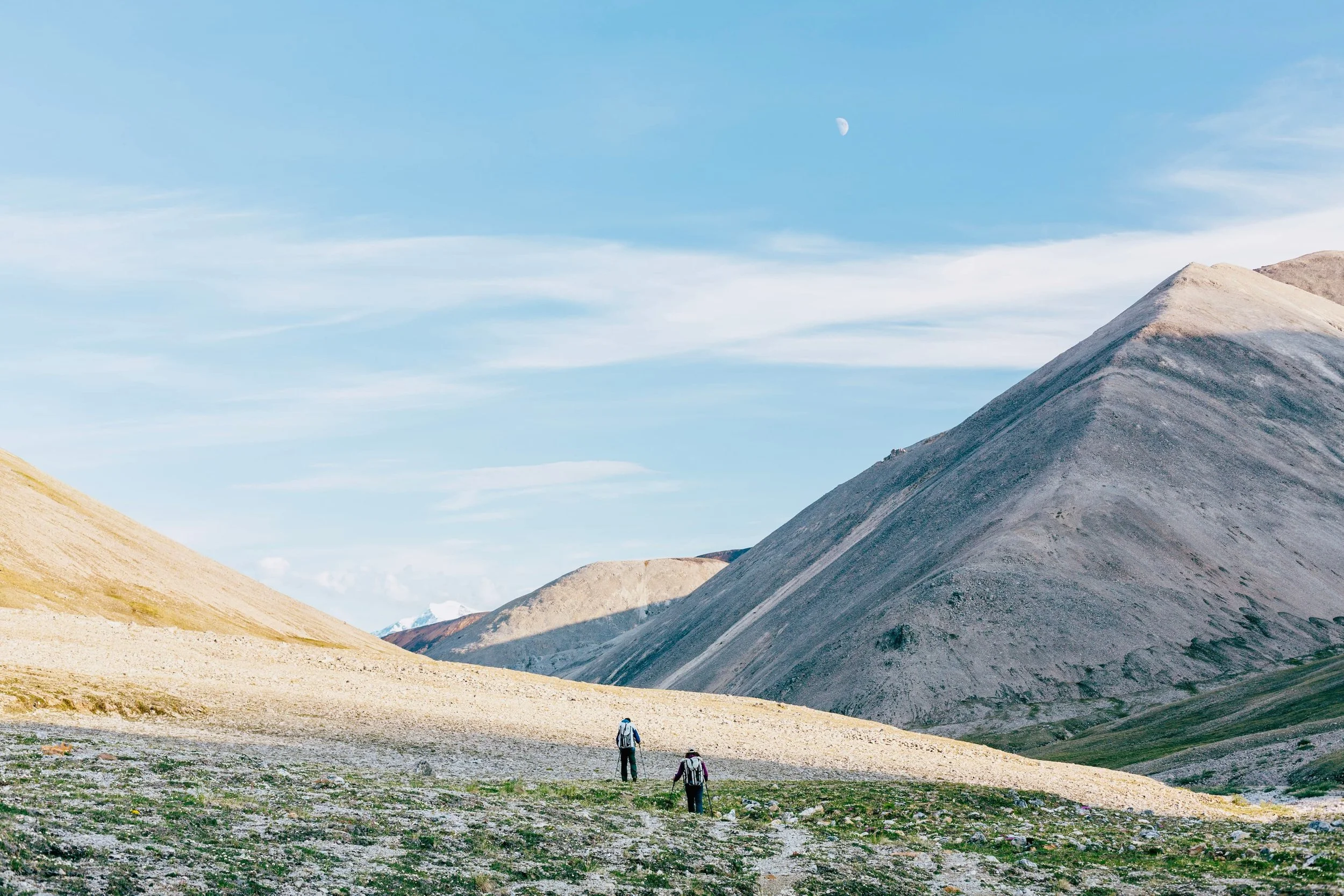
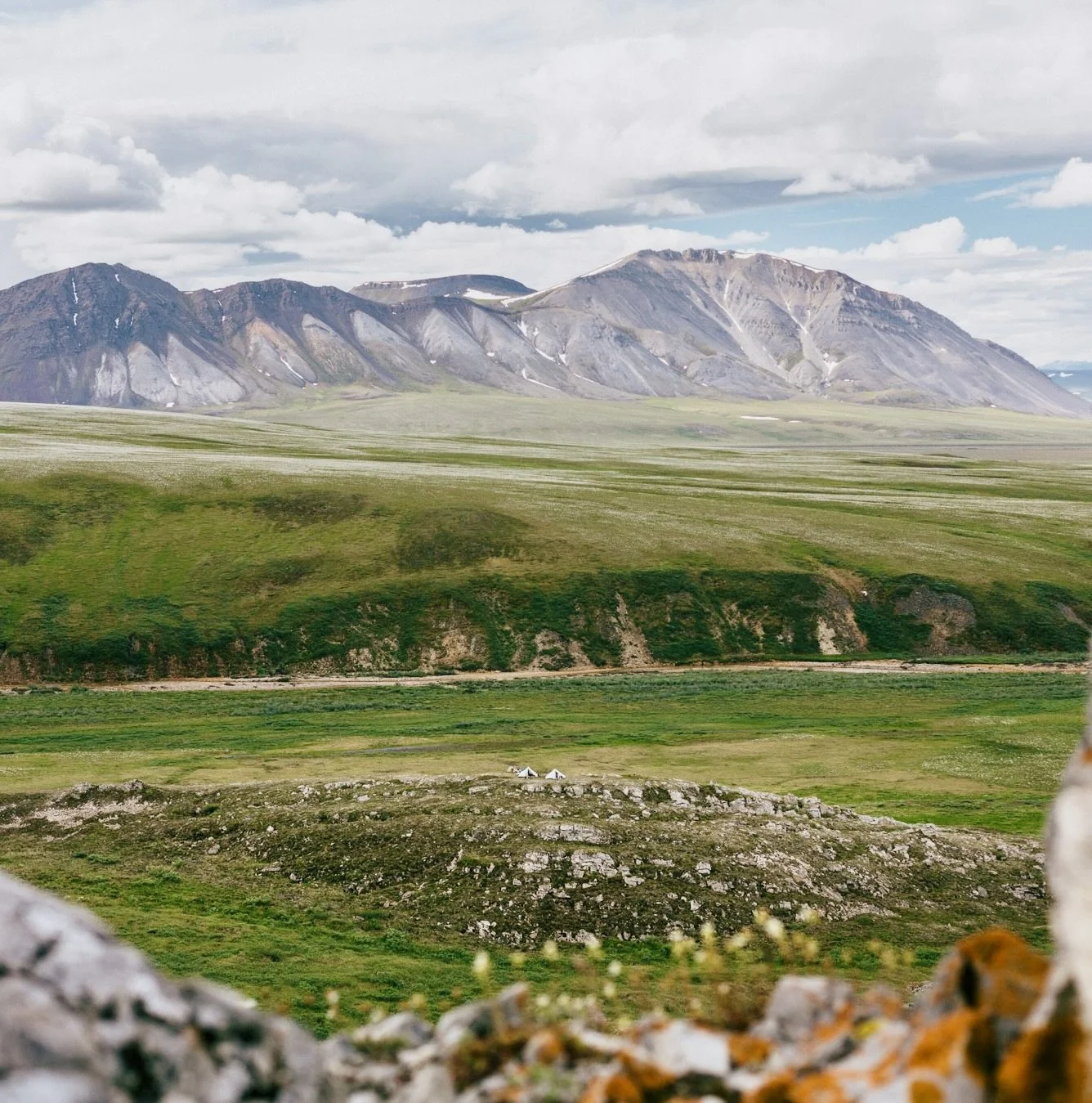
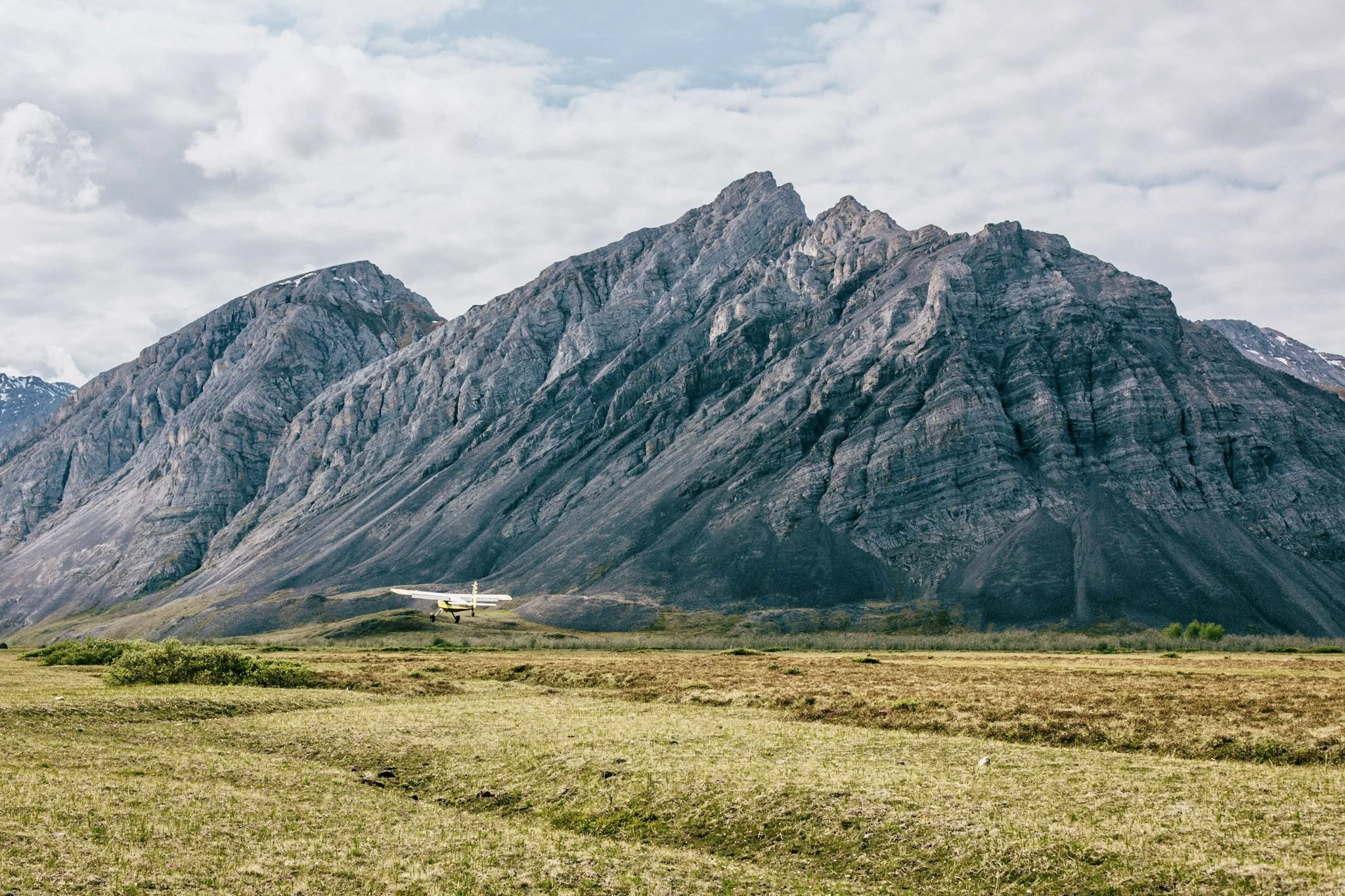
I first went to ANWR this past summer. It’s far north and generally expensive to get to and so it had taken me awhile to finally build a trip there. I’ve spent the last 12 years getting to know Alaska… but even after all that time it’s like I’ve only scratched the surface. I admit, in all those years i’ve seen so many jaw dropping wonders that it starts to lose a bit of it’s impact. A run in with a mama bear and 3 cubs is a typical, though still exceptionally magical Wednesday. I thought nothing would ever be as earth shakingly bewildering as that first tripI guided in the Wrangells when i was 18. But flying into ANWR last summer blew my fricken mind. I was in a custom supercub, the ferarri of the sky, flying through Narnia. The sun was carving it’s elipse and there was a loan wolf running beneath us across the tundra.
ANWR has been the news a lot over the years. But especially recently. The government opened up the entire arctic plain to oil and gas drilling. A foolish short-sighted move that make’s me wonder what percentage of the oil lobyists rank 10th percentile for the dark triad personality traits. There’s less than a single years worth of U.S oil supply in the arctic plains… and very low certainty even that could be extracted. But I digress. Call you politicians. Boycott any companies or banks that support drilling in the arctic. But I digress again.
If you get the chance to go to ANWR… GO!
I felt a calmness birds can bring to people; and, quieted, I sensed here the outlines of the oldest mysteries: the nature and extent of space, the fall of light from the heavens, the pooling of time in the present, as if it were water.”
— Barry Lopez, Arctic Dreams
Season
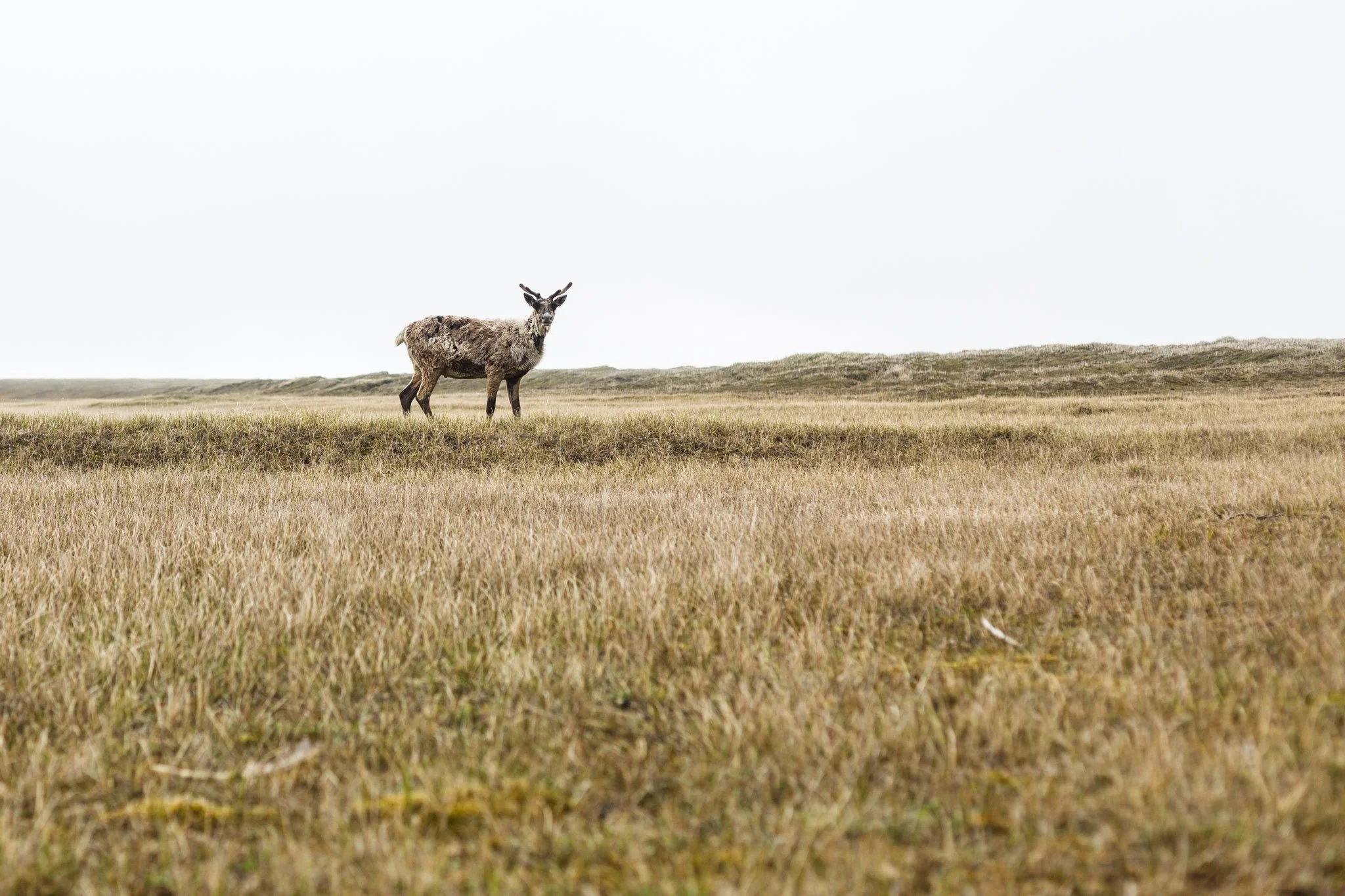
The prime backpacking window is typically mid June through early July. Though if you’re heading over any passes 5000ft plus it might be better to wait til late july. Late June is an incredible time for caribou movement, especially near the coastal plain and major river corridors.
From early July through August, conditions are generally excellent for travel, but bugs can be intense, especially during warm, still periods. That said, wind and cooler weather can dramatically improve comfort, and long daylight hours make for luxurious travel days.
Late August into early September brings cooler temperatures, fewer insects, and spectacular fall colors across the tundra—deep reds, golds, and purples. The trade-off is shorter days, colder nights, and a higher likelihood of wet or wintry weather, especially later in the season. For those willing to embrace a more austere Arctic mood, fall in the Refuge is profoundly special. More wildlife, more wetness.
Getting to ANWR
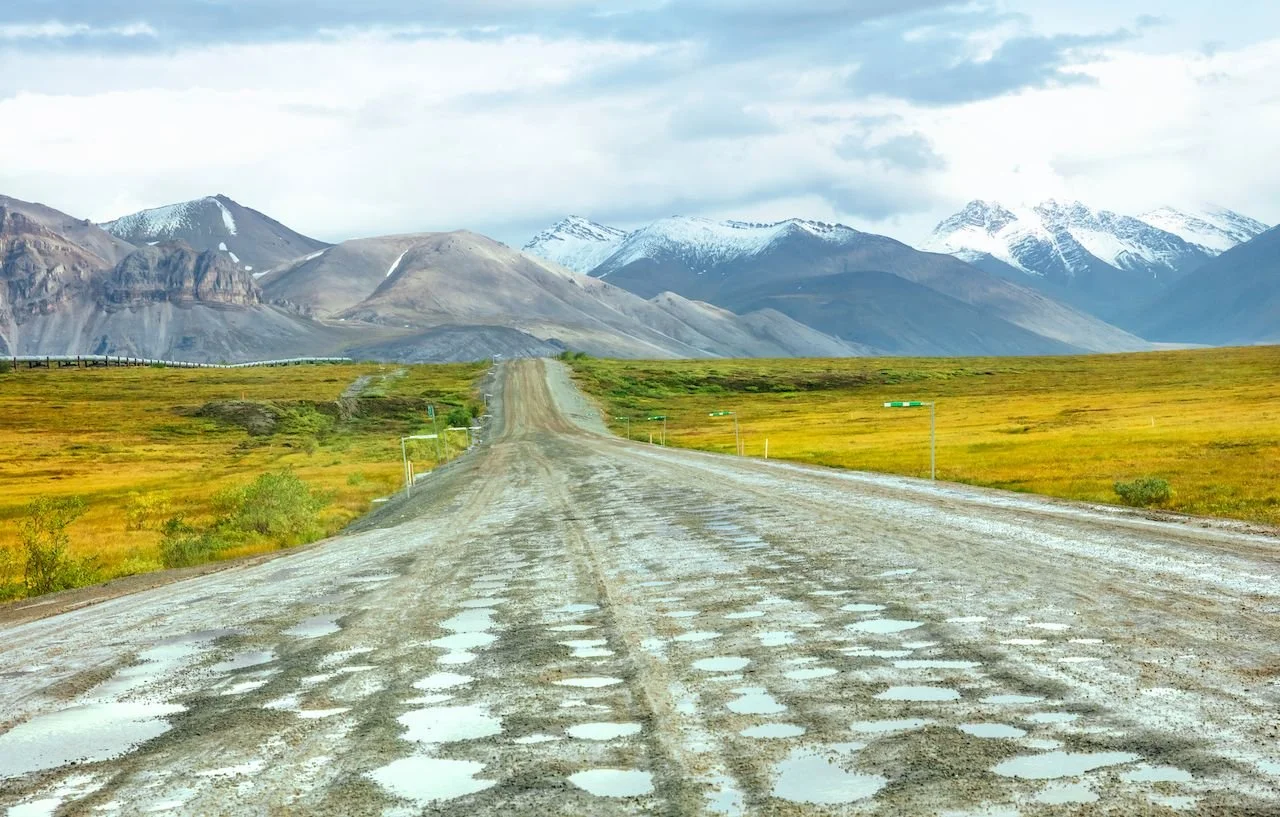
Drive: The Dalton Highway goes past part of the western border of ANWR and makes for relatively easy access. Land designations aside, you can find great backpacking anywhere east of the Dalton Highway once you’re far north around the continental divide. That being said, it can be a long and daunting drive depending on where you’re trying to go (8 - 12 hours for most trip starts.) There’s also a public shuttle from Fairbanks that can take you up for around $400 round trip per person.
Fly: You can charter a bush plane.

Bushplane Charter: This is the most flexible, effective and costly option. the prices can be staggering.
ANWR BACKPACKING ROUTES AND IDEAS
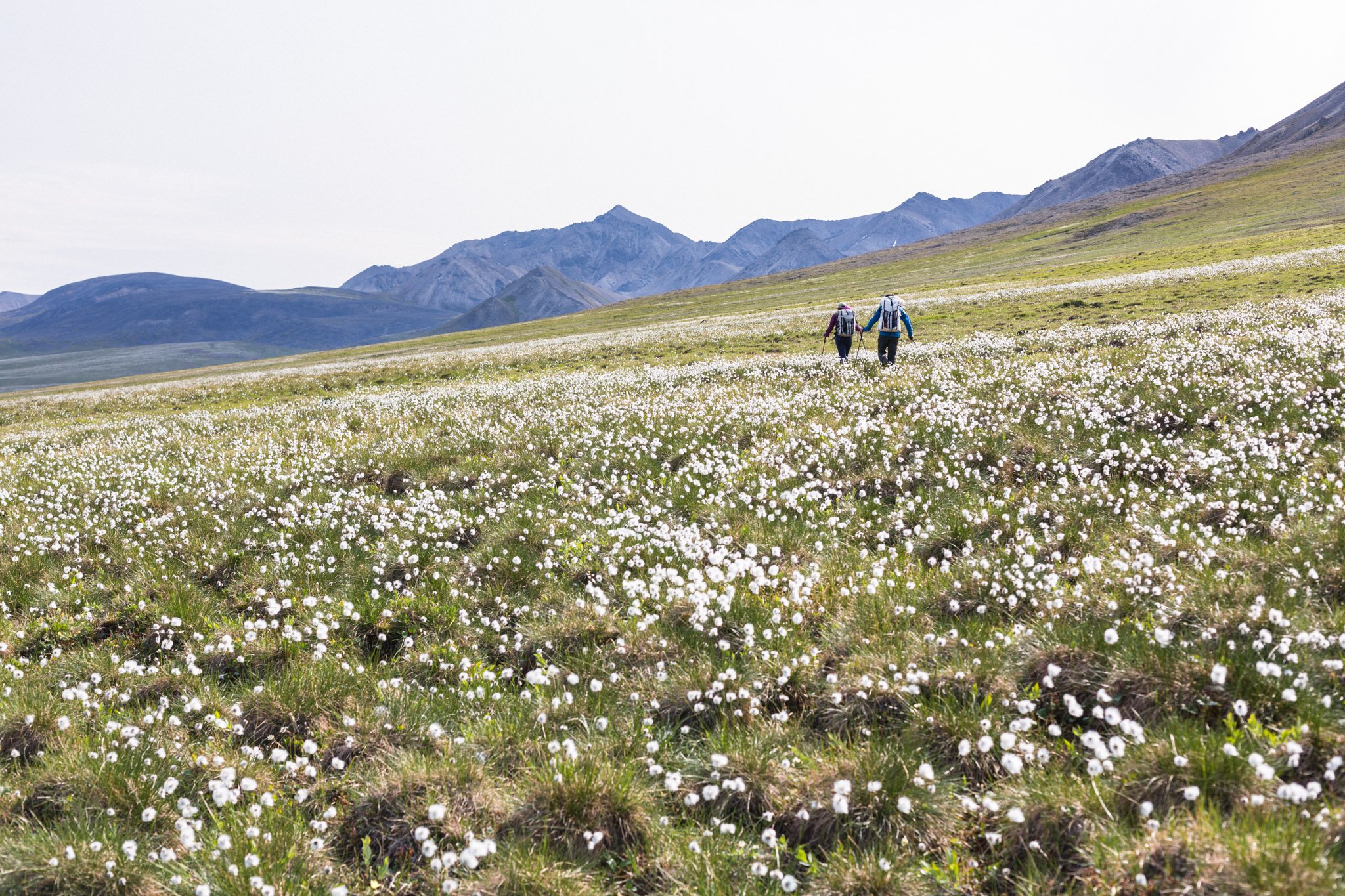
Photos by Will Koeppen
ANWR is huge. And fairly untraveled by backpackers. The best thing to do is get really good at reading maps and plan a trip that looks fun on Cal Topo or Gaia. You can also reach out to your pilots for advice as they often know best. If you’re coming in from the road, know that you’ll likely need a packraft to cross some big rivers. As a general rule of thumb, you’ll want to stick near the continental divide to avoid big river crossings and/or bring a packraft. In other words: be careful not to plan any committing routes that require questionable river crossings.
Packrafts can really open up massive possibilities in ANWR… so if you have the experience, do some research on Aufeis and think about connecting multiple river systems. Packrafts also open up some more possibilities of cheaper trips that end in Kaktovik.
We’re not trying to be intentionally vague… it’s just the way Alaska is :) No matter where you go you’re sure to have an epic experience!
If you’d like to go guided and and have us show you some of the coolest spots wihout having to wory about complex remote Alaska logistics we guide two ANWR trips each year, a backpacking trip and a basecamp hiking trip.
TO GO ON AN UNGUIDED OR GUIDED BACKPACKING TRIP IN ALASKA?
Whether to go on a guided backpacking trip in Alaska or run the trip yourself comes down to a few important considerations.
Skill: Do you and the people in your group have the skills and know-how to safely pull off the trip you want to go on? In addition to all the basic backpacking skills, do you:

Know how to competently navigate off trail without getting lost, even in severe weather or complete multi-day whiteout conditions?
How to switch routes last minute and navigate without any prior route preparation.
Know how to safely navigate grizzly bear country?
Know how to manage complex wilderness medicine and rescue scenarios when rescue may be many days away?
Know how to cross (or avoid) swift and deep rivers safely?
Know how to keep everyone warm and non-hypothermic even if it rains every day of your trip without ever getting a chance to dry things out or start a fire?
Logistics: Do you have the desire to put all the logistics together yourself. Would that be fun for you?
Planes, permits, trains, gear, food, routes, emergency plans, finding the best areas with the nicest travel and most beautiful scenery?
Would you enjoy joining a group and building group culture and cohesion?
This is always a bit of a curveball. On a guided trip you’ll be with people you’ve never met before. That can be incredible and sometimes it can be challenging. With rare exception, people come out of our trips saying the connections and friendships they forged to other people in the group were one of the standout highlights.
On the other hand, curating your own group can be awesome — you can share those memories with loved ones for the rest of your lives (which can also happen on a private guided trip).
If choosing a guided group, definitely check how big the groups are. This can make a big difference. At Indigo Alpine Guides, we keep our groups small. We find this provides a way better feel than trips with 10 or more people.
Want to go unguided, but want some help planning your routes, organizing logistics and getting ready for the Alaska backcountry? Check out our trip consult options.
GEAR SUGGESTIONS FOR BACKPACKING ANWR
I’m not going to go through a full packing list, just some helpful suggestions. Of course, use your own judgement and experience.
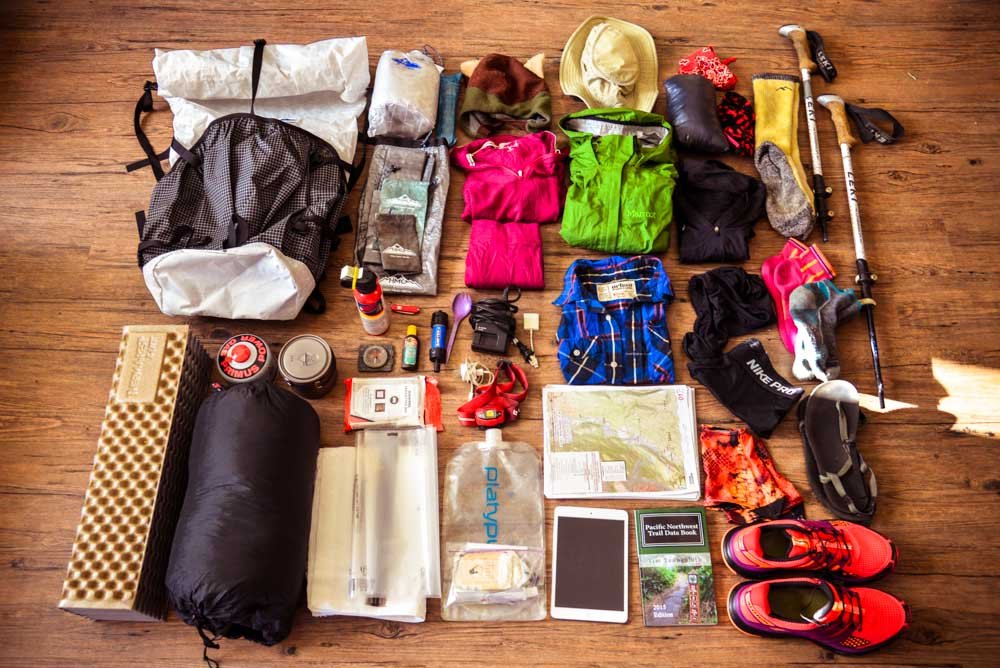
Avoid down clothes. No cotton clothes. No down sleeping bags. Honestly, sometimes you just get soaked to the bone in Alaska — having synthetic clothing and sleeping bag (which keep you warm even when wet) can add a huge margin of safety and comfort.
Super strong tents with 6ft of p cord at each corner so you can use rocks instead of stakes for anchors (good for strong winds.
Ursack. Honestly, bear cans suck. If you can afford an Ursack it’s a worthwhile investment. Otherwise you can use your own bear can or rent them from the park for free.
Non-GoreTex Footwear. You will get your feet wet on your Denali backpacking route. Gore-Tex just means that your shoes will take longer to dry when the sun does come out. A good pair of camp shoes is also a big plus! Crocs without holes in them are my go to.
Gaia! I personally use Gaia for all my backcountry travel. But whatever you use, it’s good to not be reliant on paper maps. On one trip I did almost 10 years ago, it was so windy and rainy and snowy that our map literally disintegrated even with our best intentions to keep it protected in plastic.
No backpack rain covers. They rip off while bushwhacking. Instead, line your backpack with a thick compactor bag. Just twist and tuck the top of the bag to create a water tight seal.
Make sure you check with any planes or public transport about carrying fuel, bear spray, or firearms. You may need to use a specific kind of fuel or buy directly from them.
You do not need a gun to travel in Alaska! Bear spray is absolutely adequate. Practice good conservative bear awareness and you will never need bearspray or a gun.
An InReach. This is a good idea no matter what. But if you’re relying on a plane to pick you up it’s essential. Make sure you get a textable number from your pilot before you leave.
RESCUE INSURANCE
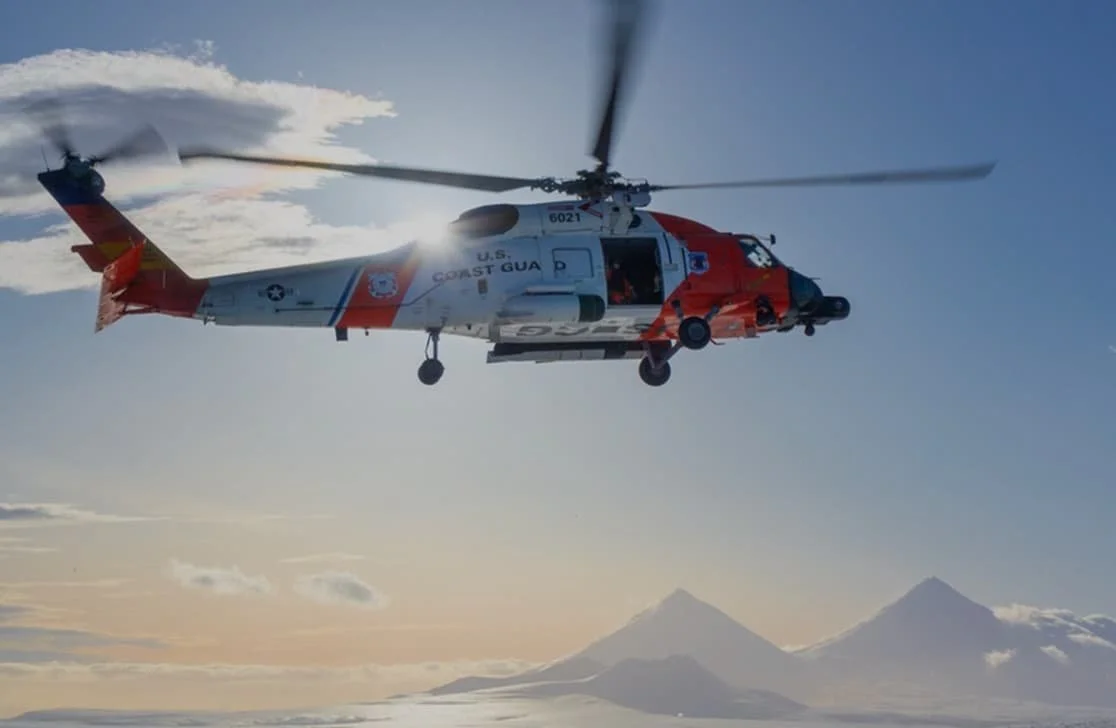
Alaska is remote. Any rescue could cost you tens of thousands of dollars. Most travel insurance companies won’t actually cover remote rescue. When you buy a policy, make sure you confirm that they actually cover the adventure you’re going on. On personal trips, I have a pretty high risk tolerance, but I still choose to have rescue insurance year round. I highly recommend having it. But I even more highly recommend you don’t let the modern (relative) ease of rescue influence your wilderness risk tolerance. Just because you have an InReach with an insurance policy strapped to your shoulder, doesn’t mean you should take bigger risks than you otherwise would.
Check out our super detailed blog on rescue insurance including our specific policy recommendations.
GALLERY
FINAL THOUGHTS
I hope you’ve found this helpful! Of course, if you want to go on a guided backpacking trip reach out via our contact page or hit us up on instagram @indigo_alpine. Or if you’re planning a personal trip and have some questions, feel free to email or text me. I also offer paid trip consultations for folks who have a lot of questions and / or want help creating a route.
If you go out on a trip and this guide helped out, tell me about it! Always keen to hear people’s stories!
Random Pro Tips
+ People often don’t truly understand the meaning of tussocks. Tussocks can be really hard walking… just because it looks like beautiful grassy fields on satellite or from the plane does NOT mean it’s simple walking on the ground. Plan your trip accordingly.
+ When planning off trail routes, people often dramatically undermeasure their routes. They draw in a line on Caltopo or Gaia but that simply doesn’t account for all the natural twists and turns we take while hiking. It’s a wise idea to add 10 or 15% to your drawn-in map mileage.
+ The bugs here can truly be horrendous if you hit it right. The best defense is covering your whole body in clothing and wearing a headnet. Wind jacket, rain pants, gaiters to cover the ankles, and even loose fitting latex gloves can make a big difference in your comfort. If you’re going out for a long trip during peak bug season and you’re prioritizing comfort over weight, you might consider bringing a bug proof cook tent like a Black Diamond Mega Mid with bug insert.
+ Bring good rain pants (or bibs!). Bushwhacking through wet bibs is about the same a swimming. Line your pack with a compactor bag — it’s way more effective at keeping your things dry than rain covers which will just rip off the second you go through an alder thicket.