The History of Gates of the Arctic National Park
Over three million travelers are expected to visit Alaska this year, many on a well-worn, predictable tourist path. While Alaska’s remote wilderness is no secret, the true wilderness of America’s last frontier appeals to very few. Instead, most visitors in Alaska prefer to view Alaska’s rugged terrain from the safety of a cruise ship window. Even Alaska’s many hiking, climbing, and skiing travelers rarely venture outside the state’s more accessible glaciers and coastlines. While Denali National Park, Kenai Fjords, and Skagway are all well worth experiencing, there’s another side of Alaska’s wilderness that rarely gets the attention it deserves, and for good reason, it’s damn hard to get to. Dive in below as we explore The History of Gates of the Arctic National Park.
America’s Least Visited National Park
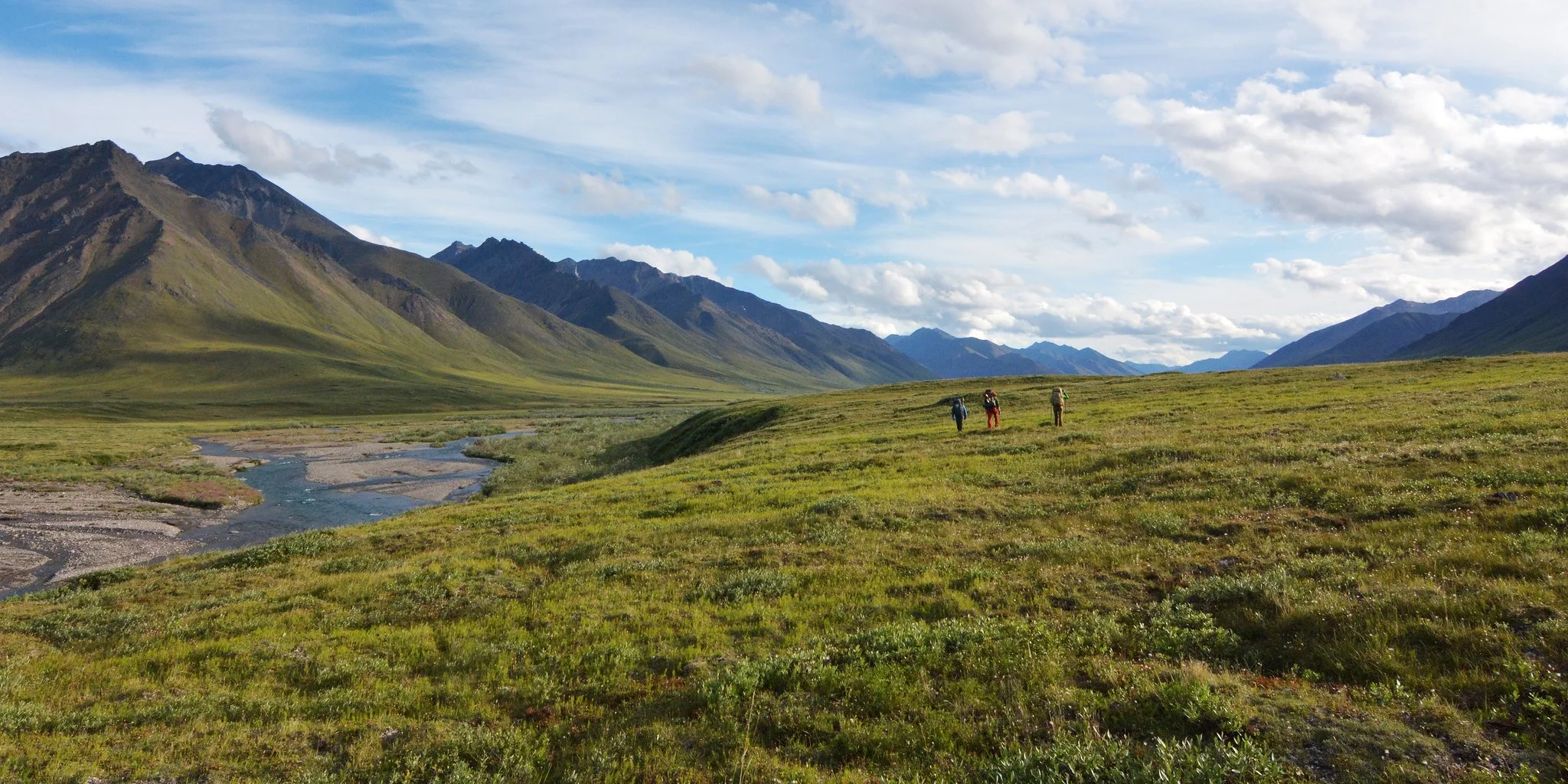
Despite being the most untouched ecosystem in the US, featuring towering mountains, boreal forests, and Arctic tundra, the Gates of the Arctic National Park is the United States’ least-visited national park, with fewer than 12,000 visitors per year. The park's lack of visitors is not a reflection of its content but rather an intentional restriction on accessibility. There are no roads or trails leading into the park; visitors must arrive by air taxi or hike through the surrounding wilderness to reach it. There are no visitor centers, designated campgrounds, or any amenities. The Gates of the Arctic is one of the world’s last remnants of untouched wilderness, and certainly the last in the United States.
Where is the Gates of the Arctic National Park
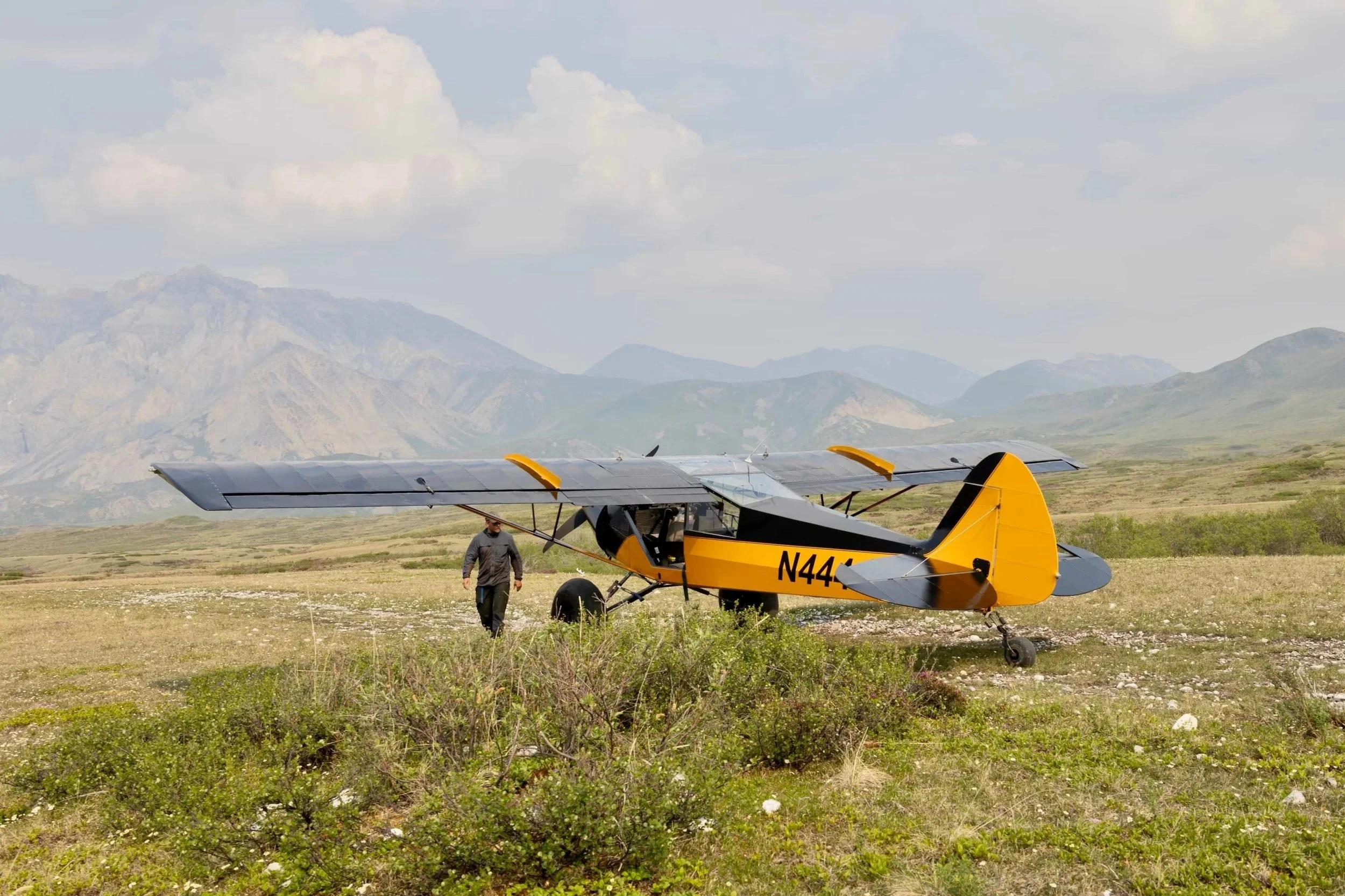
Gates of the Arctic is located in Alaska’s Brooks Range and occupies roughly 13,200 square miles of the range’s most remote section. The entire park sits north of the Arctic Circle, hence the name and the park is roughly 250 miles north of Fairbanks. The Gates of the Arctic is landlocked, surrounded by other protected wilderness areas—with the Noatak National Preserve to the West, the Arctic National Wildlife Refuge to the East, and extensive BLM lands and Alaska Native corporation lands to the south and north. While there aren’t towns in the park, there are native villages. The Anaktuvuk Pass is a Nunamiut Iñupiat village located inside the park boundary, perched high in a mountain pass that has served as a travel corridor for thousands of years.
The Early History of Gates of the Arctic National Park

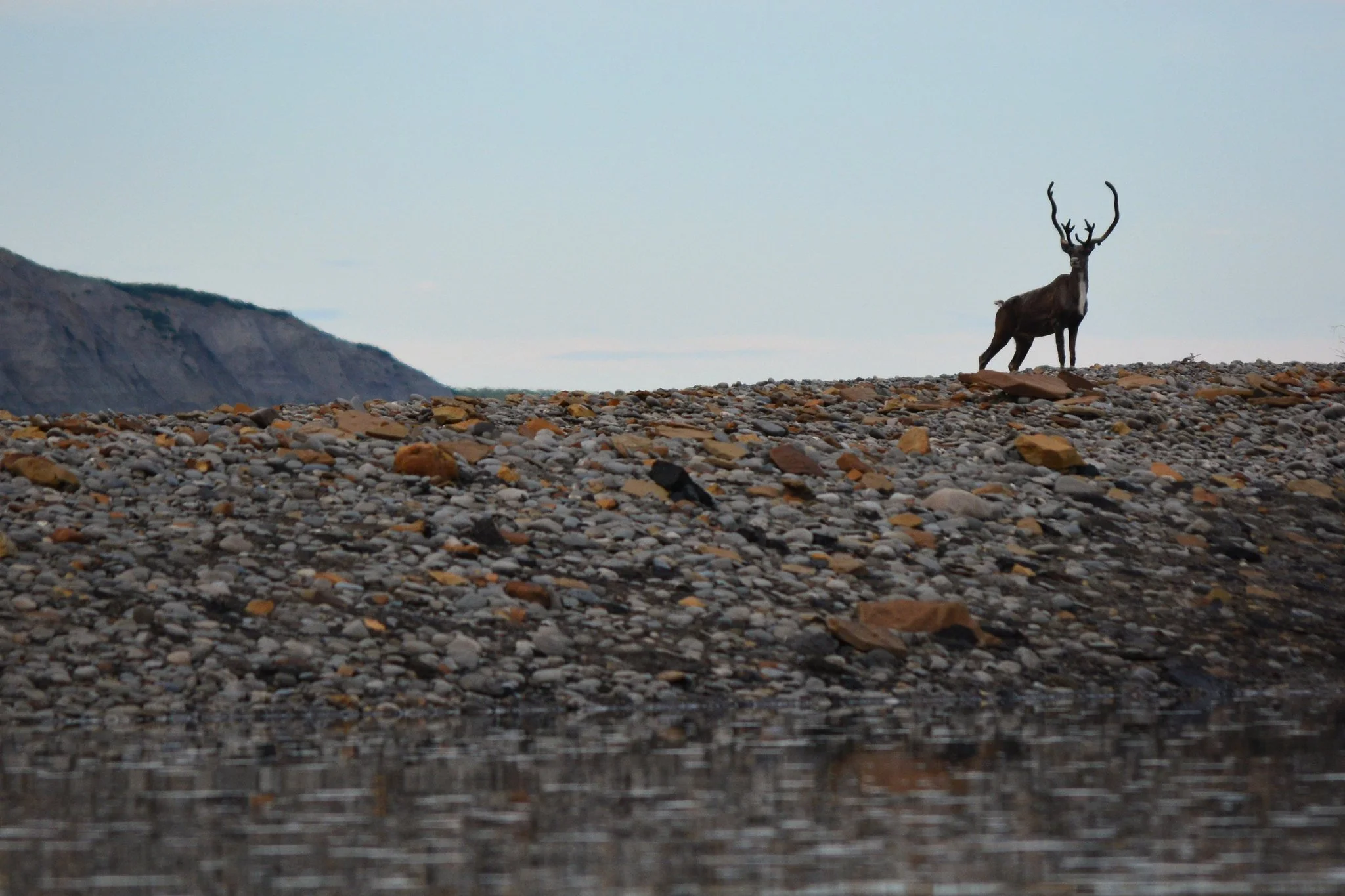
Humans have lived in the northern reaches of Alaska’s Brooks Range for over 12,000 years, long before Europeans arrived in the New World. Indigenous groups in the area include the Iñupiat (including the Nunamiut, “people of the land”) and the Gwich’in Athabaskan peoples. These early inhabitants left behind stone tools, hunting implements, hearth sites, and caribou processing areas, leading scholars to believe the area was used seasonally by semi-nomadic hunters following Caribou migration cycles. Unlike other areas of the country, the indigenous use of the land around the park never stopped and continues to this day. The area was also visited by Russians and Americans, especially during the Gold Rush.
Founding of the Park
The name Gates of the Arctic was first used by Bob Marshal, a forester and wilderness advocate who traveled extensively in the Brooks Range in the 1920s and 1930s. He named the two mountains on either side of the river — Frigid Crags and Boreal Mountain — the “Gates of the Arctic.” In December 1978, President Jimmy Carter proclaimed the Gates of the Arctic National Monument, protecting a large swath of the Alaskan Wilderness. In 1980, the Alaska National Interest Lands Conservation Act (ANILCA) was passed by Congress, which expanded federal protections in Alaska and transformed the Gates of the Arctic into a national park and preserve. Today, the park covers around 8.4–8.5 million acres, making it the second-largest national park in the United States.
Explore Gates of the Arctic National Park with Indigo Guides

Not everyone gets the opportunity to explore one of the most remote regions of the Earth. Our 9-day Brooks Range Backpacking trip takes you into the heart of the park and its untouched beauty. We’ll chart our own path through a vast, glacially carved valley, hiking across the Alaska Tundra. This trip is a chance to explore one of humanity's last remaining untouched wilderness areas. Find out more and book your trip today.