What to Pack for an Alaska Backpacking Trip
Packing for an Alaska backpacking trip looks a little different than packing for a weekend in the Lower 48. The weather is less predictable, the terrain is often more demanding, and once you’re in the backcountry, there usually isn’t an opportunity to replace forgotten gear. The good news is that you don’t need to overpack. A well-planned kit will keep you comfortable without weighing you down. The key is bringing equipment that can handle changing conditions while still allowing you to travel efficiently. Whether you’re joining a guided Alaska backpacking trip or planning your own adventure, here’s what belongs in your pack.
Start With the Right Backpack
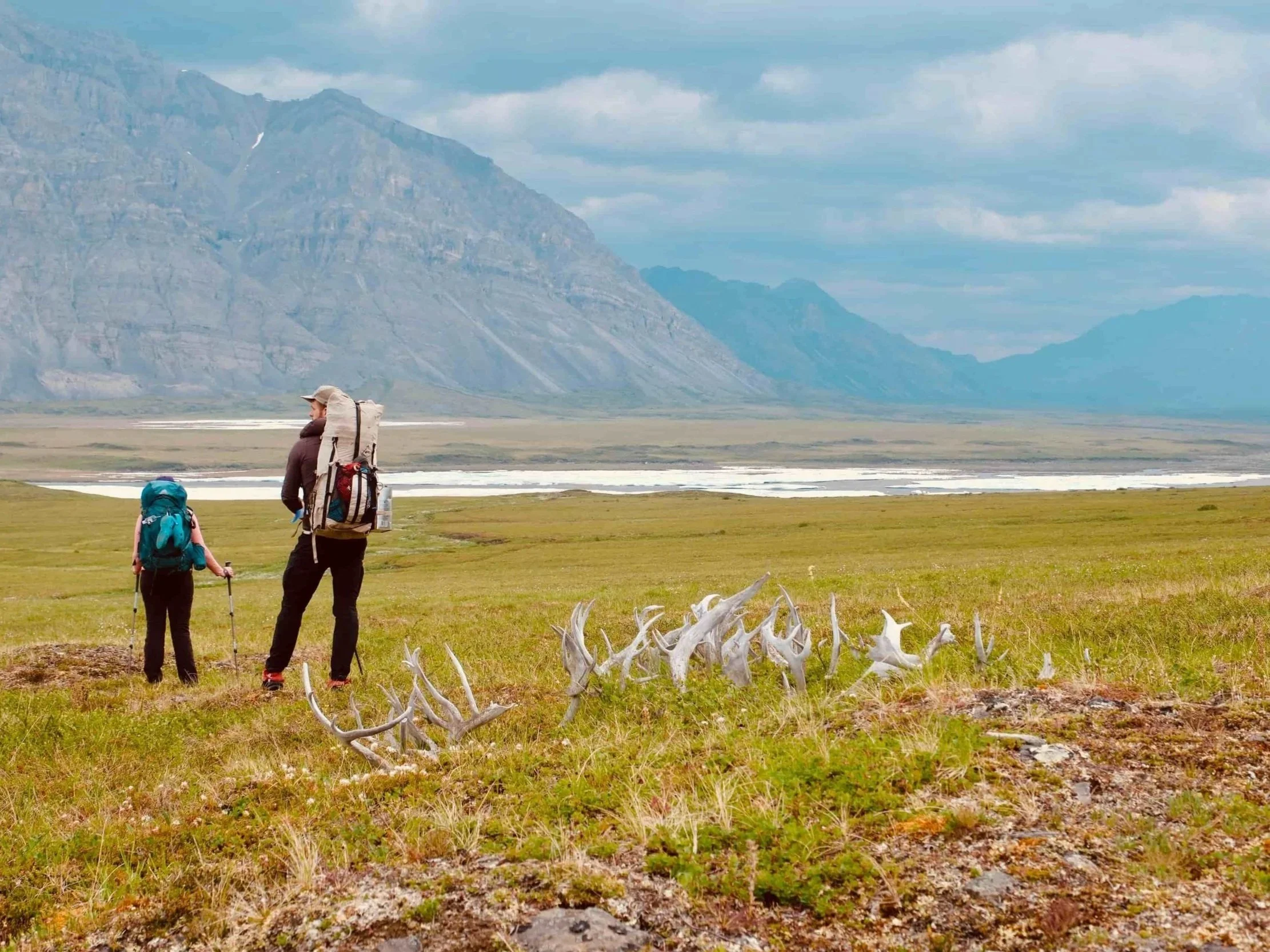
Your backpack should comfortably carry everything you’ll need without being too large. For most multi-day trips, a pack between 60 and 70 liters offers plenty of space for clothing, food, and camping gear. Fit matters as much as capacity. A properly fitted and adjusted hip belt should put most of the weight on your hips, leaving your shoulders free to move naturally throughout the day. Before your trip, load your pack with the weight you expect to carry and take it on several training hikes. Small adjustments now can prevent sore shoulders and hips later.
Layer Your Clothing
One of the biggest mistakes first-time visitors make is packing for cold temperatures instead of changing temperatures. A sunny morning can quickly become windy and wet, while afternoons often warm up more than expected. Rather than relying on one heavy jacket, plan to wear multiple layers that can be added or removed throughout the day. A typical layering system includes a moisture-wicking base layer, an insulating mid-layer such as fleece or lightweight synthetic insulation, and a waterproof shell that protects against wind and rain. Avoid cotton whenever possible. Once it becomes wet, it dries slowly and loses much of its insulating ability.
Rain Gear Isn’t Optional
Even if the forecast looks promising, waterproof rain gear deserves a permanent place in your pack. Weather changes quickly in Alaska, and spending hours hiking in wet clothing can quickly turn an enjoyable day into an uncomfortable one. A quality waterproof jacket and rain pants provide protection not only from rain but also from wind during exposed sections of the trail.
Choose Footwear You Trust
Your footwear should already be broken in before arriving in Alaska. Whether you prefer hiking boots or trail shoes often comes down to personal preference, but comfort and traction matter more than brand names. Expect uneven ground, loose rock, muddy sections, and occasional stream crossings throughout many Alaska backpacking routes. Good socks are just as important as good footwear. Bringing an extra pair reserved for camp can make a surprisingly big difference after a long day of hiking.
Trekking Poles Are a Must
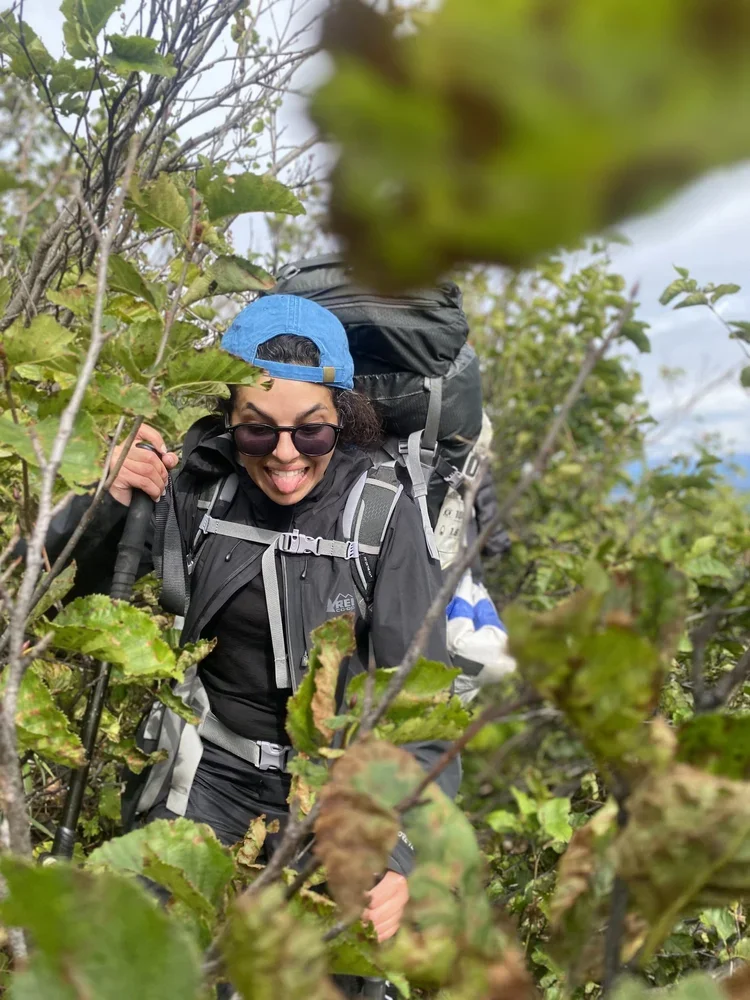
Many hikers who don’t normally use trekking poles find themselves grateful for them in Alaska. They improve balance on uneven terrain, reduce strain on long descents, and provide additional stability while crossing streams or moving through rocky sections. They’re not essential for every hiker, but they’re one of the few pieces of gear that can noticeably reduce fatigue over multiple days.
Keep Essential Items Dry
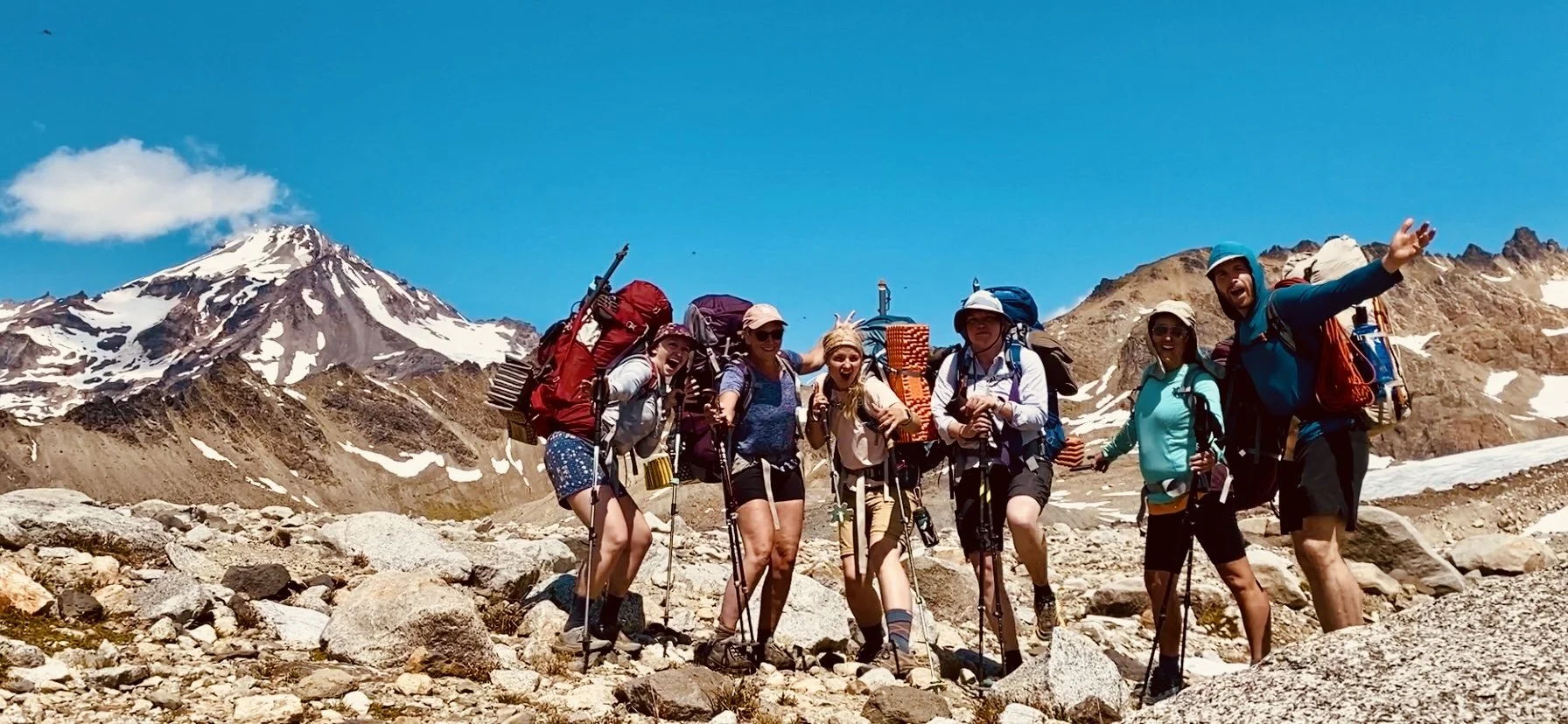
Rain, stream crossings, and wet vegetation can all soak gear. Instead of relying solely on a pack cover, organize your equipment inside waterproof stuff sacks or dry bags. Sleeping bags, extra clothing, electronics, and anything that absolutely needs to stay dry should have an additional layer of protection inside your pack. It takes only a few minutes to organize your gear, but it can save a great deal of frustration later.
Don’t Forget the Small Essentials
Some of the most valuable items in your backpack aren’t the largest. A headlamp with fresh batteries, sunglasses, sunscreen, lip balm, insect repellent, a basic first aid kit, water bottles or a hydration reservoir, and a water filtration system all deserve a place in your pack. Many backpackers also carry a small repair kit with duct tape, zip ties, and a few spare parts to help solve unexpected gear problems in the field.

Pack Smarter, Not Heavier
It’s tempting to pack for every possible scenario, especially on your first Alaska trip. In reality, unnecessary gear often becomes unnecessary weight. Every extra pound is something you’ll carry over uneven terrain for miles at a time. Before leaving home, lay everything out and ask yourself whether each item serves a clear purpose. If it doesn’t, it probably stays behind.
If You’re Joining a Guided Trip
One advantage of joining a guided Alaska backpacking trip is that you won’t have to figure everything out on your own. Most outfitters provide a recommended packing list (we certainly do) well before departure and can answer questions about gear, clothing, and what works best for the specific itinerary. If you’re unsure about a piece of equipment, ask before buying. You may already own something that works perfectly well.
With the right equipment, you’ll spend less time worrying about what’s in your backpack and more time enjoying what brought you there in the first place. If you’re ready to experience Alaska’s backcountry, explore our guided backpacking trips and start planning your next adventure.