Everything You Need to Know About Hiking on Alaskan Tundra
For many first-time visitors, the biggest surprise about hiking in Alaska isn’t the weather or the wildlife. It’s the ground beneath their feet. Unlike many backpacking destinations in the Lower 48, much of Alaska’s backcountry has few established trails. Instead, hikers travel across open tundra, navigating landscapes that are both incredibly beautiful and surprisingly demanding. Understanding what tundra is and how to move across it can help you prepare for a safer, more enjoyable backpacking experience.
What is a tundra?
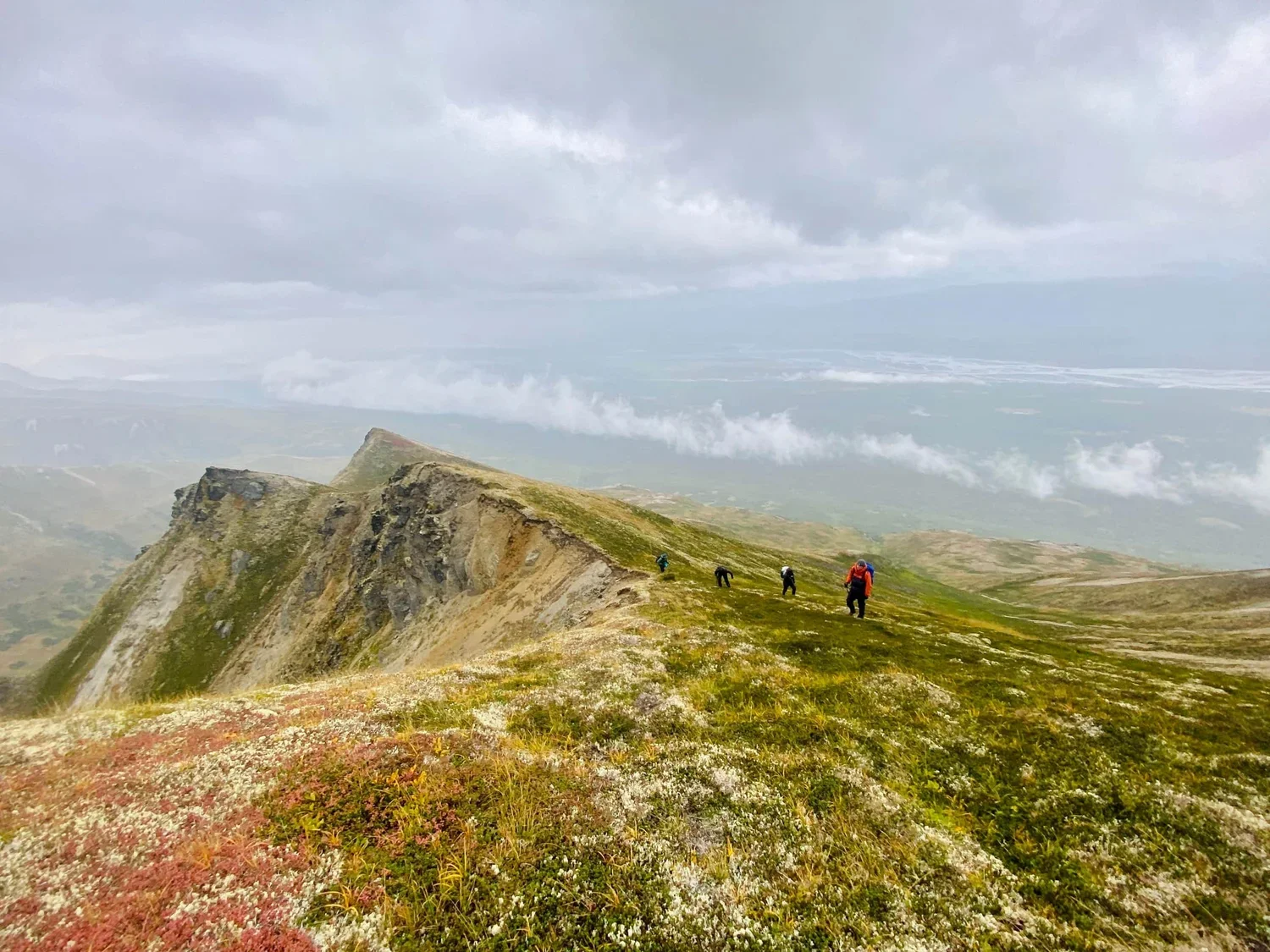
Tundra is a treeless landscape shaped by cold temperatures, a short growing season, and permanently frozen ground beneath the surface in many parts of Alaska. Instead of forests, you’ll find grasses, mosses, lichens, wildflowers, low-growing shrubs, and countless small wetlands spread across wide-open valleys and mountain slopes. Although it often appears smooth from a distance, tundra is anything but flat once you’re walking across it.
Why Hiking on Tundra Feels Different
One reason Alaska backpacking surprises so many visitors is that the terrain constantly changes. You might spend part of the day crossing soft vegetation before stepping onto loose rock, weaving through willow thickets, or navigating shallow streams. Unlike a maintained hiking trail, there isn’t always a single obvious path. As a result, hiking speeds are often slower than many people expect. Covering six miles on tundra may require more time and energy than hiking ten miles on a well-maintained trail elsewhere.
Watch Your Footing
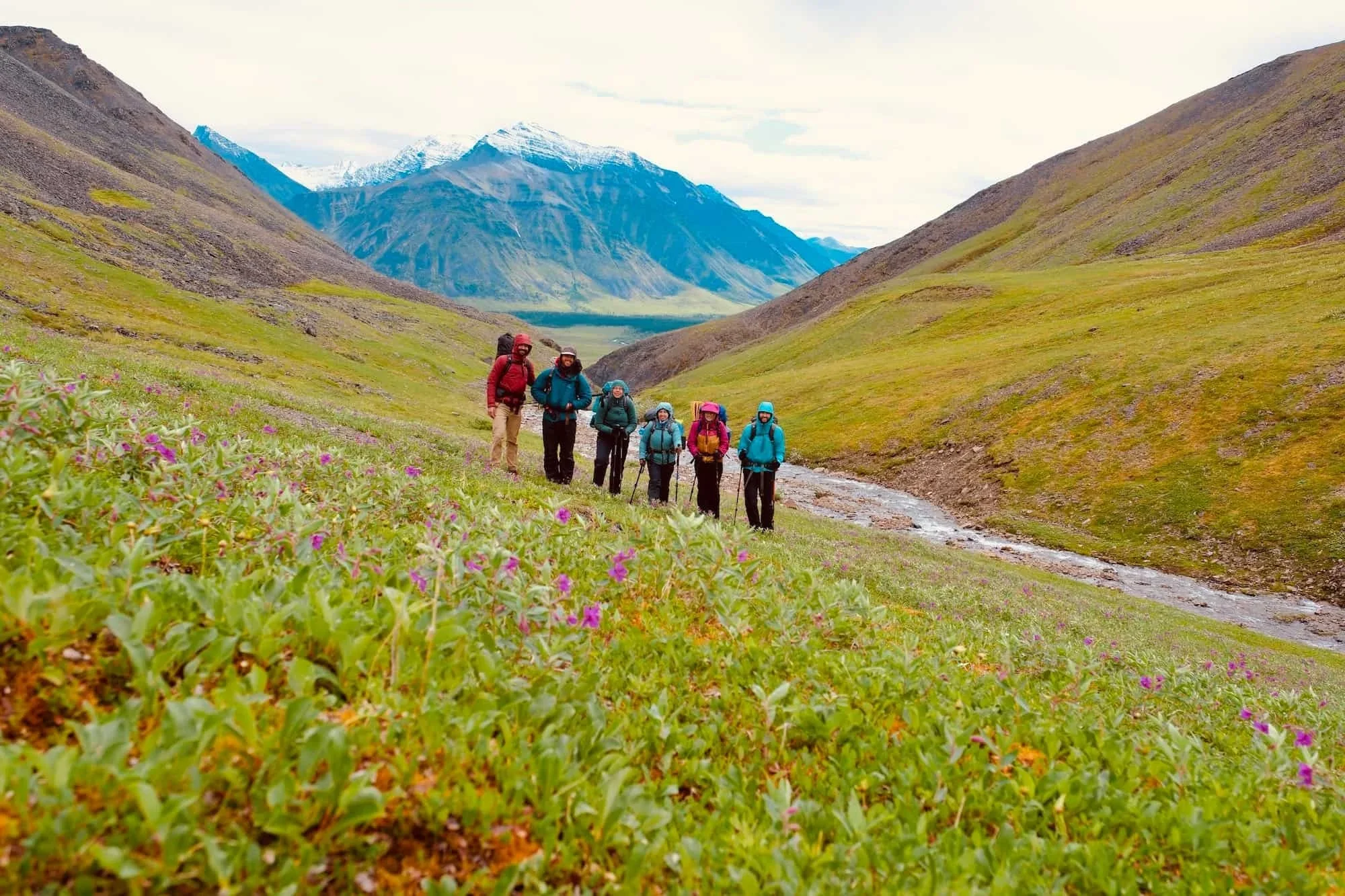
Tundra demands attention. In many areas, the ground is uneven, with hidden holes, rocks, and clumps of vegetation that shift beneath your feet. Taking steady, deliberate steps is usually more efficient than trying to move quickly. This is one reason many hikers appreciate trekking poles. They provide additional points of contact with the ground and can improve balance throughout the day, particularly when carrying a loaded backpack.
Expect Wet Feet Sometimes
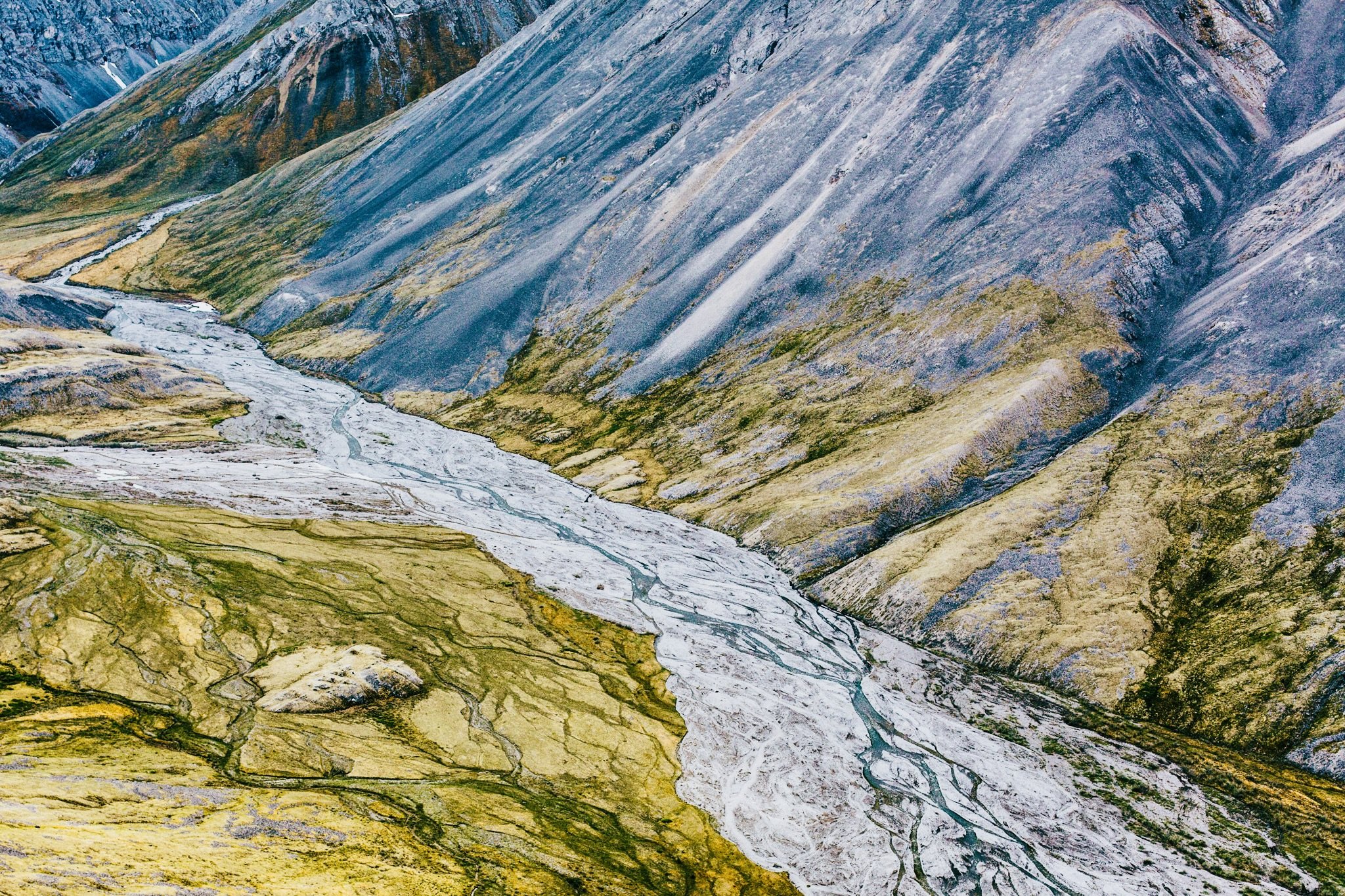
Even during relatively dry weather, sections of tundra remain wet. Snowmelt, small creeks, marshy ground, and saturated vegetation are all part of the landscape. Waterproof footwear can help, but eventually most backpackers encounter conditions where damp feet are simply part of the experience. Bringing quality socks and a dry pair reserved for camp can make evenings considerably more comfortable.
Route Finding Matters
Because many Alaska backpacking routes travel off-trail, navigation becomes an important skill. Rather than following painted blazes or well-worn paths, hikers rely on maps, GPS devices, terrain features, and guidance from experienced trip leaders. Even in open country, distances can be deceptive. Valleys that appear close may require several hours of hiking to reach. Taking time to study the terrain before moving often leads to a more efficient route than simply walking toward the nearest landmark.
Wildlife Shares the Landscape
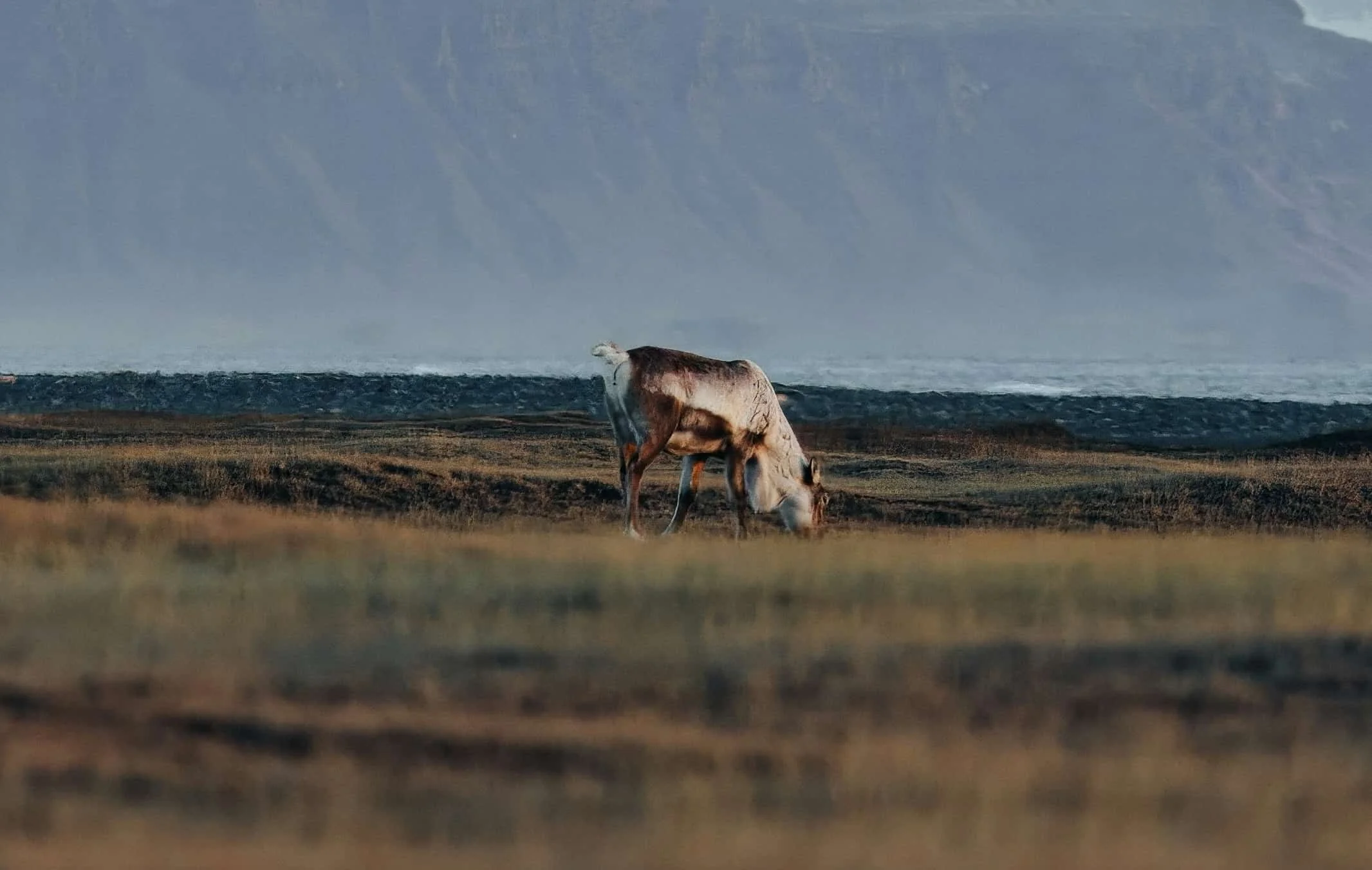
One of the rewards of hiking across the Alaska tundra is the opportunity to experience wildlife in its natural habitat. Depending on where you’re traveling, you may encounter caribou, moose, Dall sheep, foxes, marmots, or bears. Most wildlife prefers to avoid people, and responsible hikers give animals plenty of space while observing from a respectful distance. Traveling with experienced guides can provide additional confidence when hiking in areas where wildlife is commonly seen.
The Weather Can Change Quickly
Wide-open landscapes offer incredible views, but they also leave hikers exposed to changing weather. A calm morning can become windy by afternoon, while clear skies may give way to rain with little warning. Carrying appropriate layers and reliable rain gear helps you stay comfortable throughout the day without having to cut your hike short. Preparing for changing conditions is simply part of traveling in Alaska.

Hiking Tundra Is Worth the Effort
Hiking on tundra takes more energy than many people expect, but it also offers an experience that’s difficult to find anywhere else. Without established trails, crowds, or constant signs of development, the landscape feels remarkably wild. Every day brings new terrain, new views, and a genuine sense of exploration that’s increasingly rare.
The slower pace becomes part of the experience. Instead of focusing on mileage, you begin paying attention to the landscape itself—distant mountain ridges, winding rivers, wildflowers, and the silence that comes from traveling through truly remote country.
If you’re considering an Alaska backpacking adventure, understanding tundra is one of the best ways to prepare. Once you experience it for yourself, you’ll quickly understand why it’s such an unforgettable part of exploring Alaska’s wilderness.