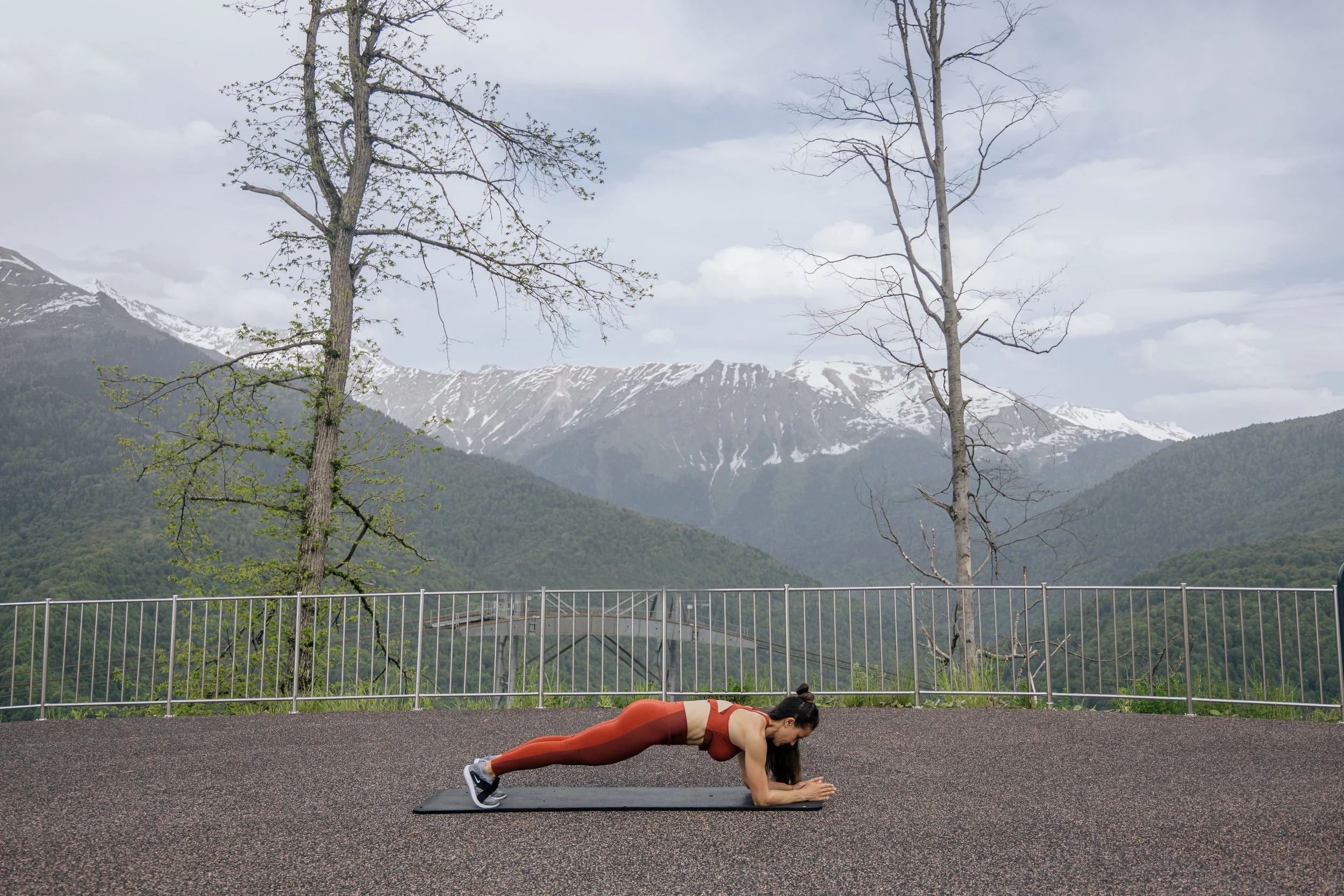
How to Train for an Alaska Backpacking Trip: A 12-Week Fitness Plan
Few places test hikers quite like Alaska. Whether you’re heading into the Brooks Range, traversing tundra beneath the peaks of the Alaska Range, or spending days moving through remote tundra far from the nearest road, Alaska backpacking trips often demand more from the body than a typical hike. You don’t need to be an elite athlete to enjoy backpacking in Alaska. Most successful backpackers arrive with a solid fitness base, realistic expectations, and enough preparation to enjoy the experience rather than simply survive it. If you’re planning a guided Alaska backpacking trip, the following 12-week training plan can help prepare you for long days on the trail, uneven terrain, and carrying a loaded pack through some of the most spectacular landscapes in North America.
Why Alaska Is Different
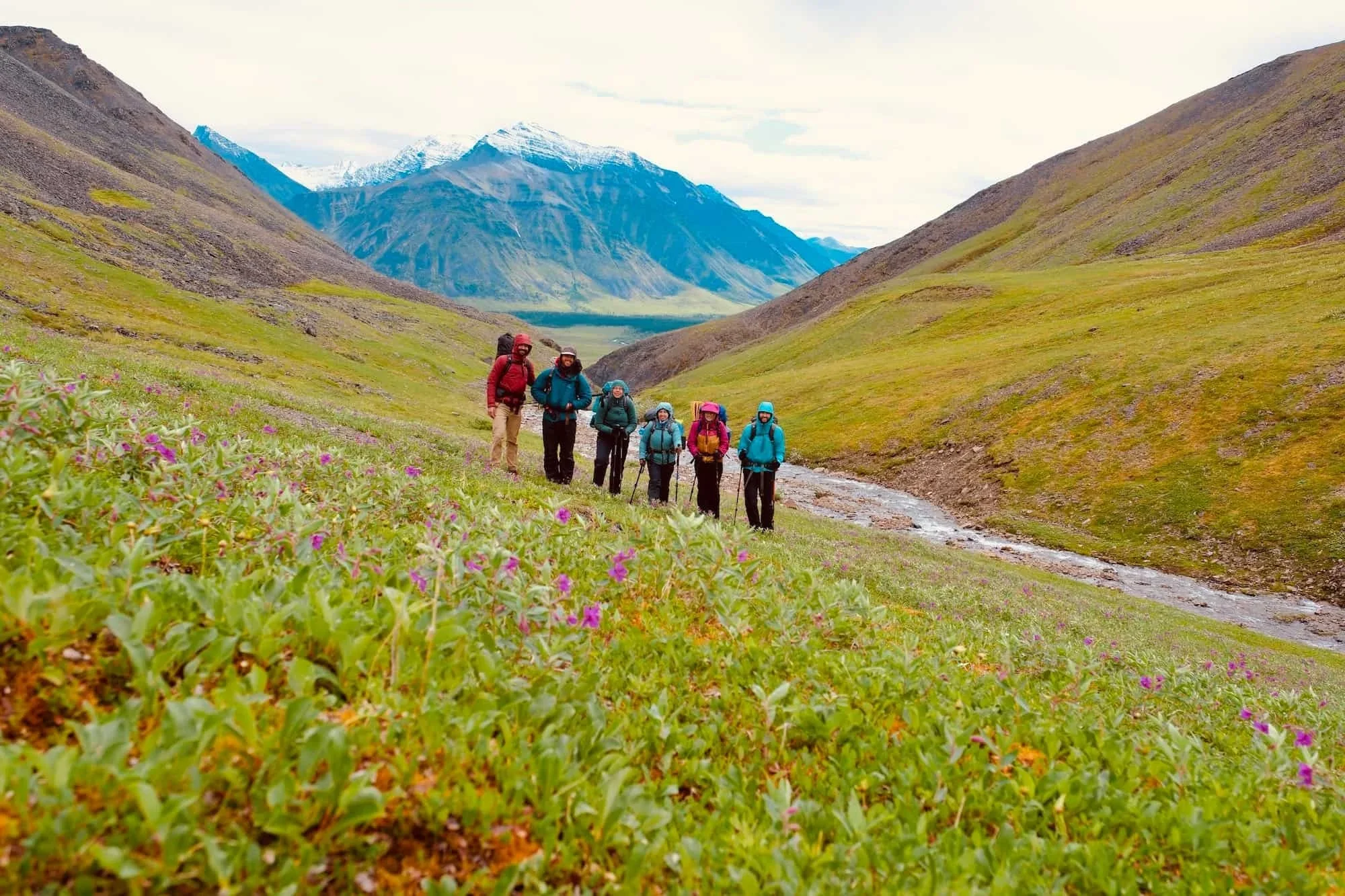
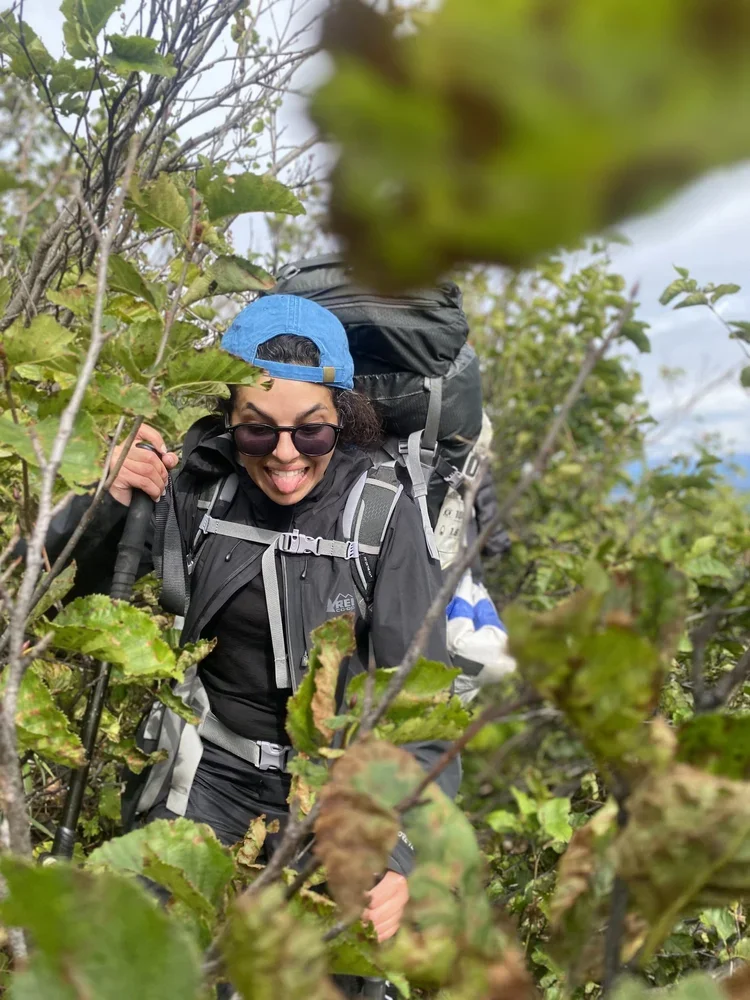
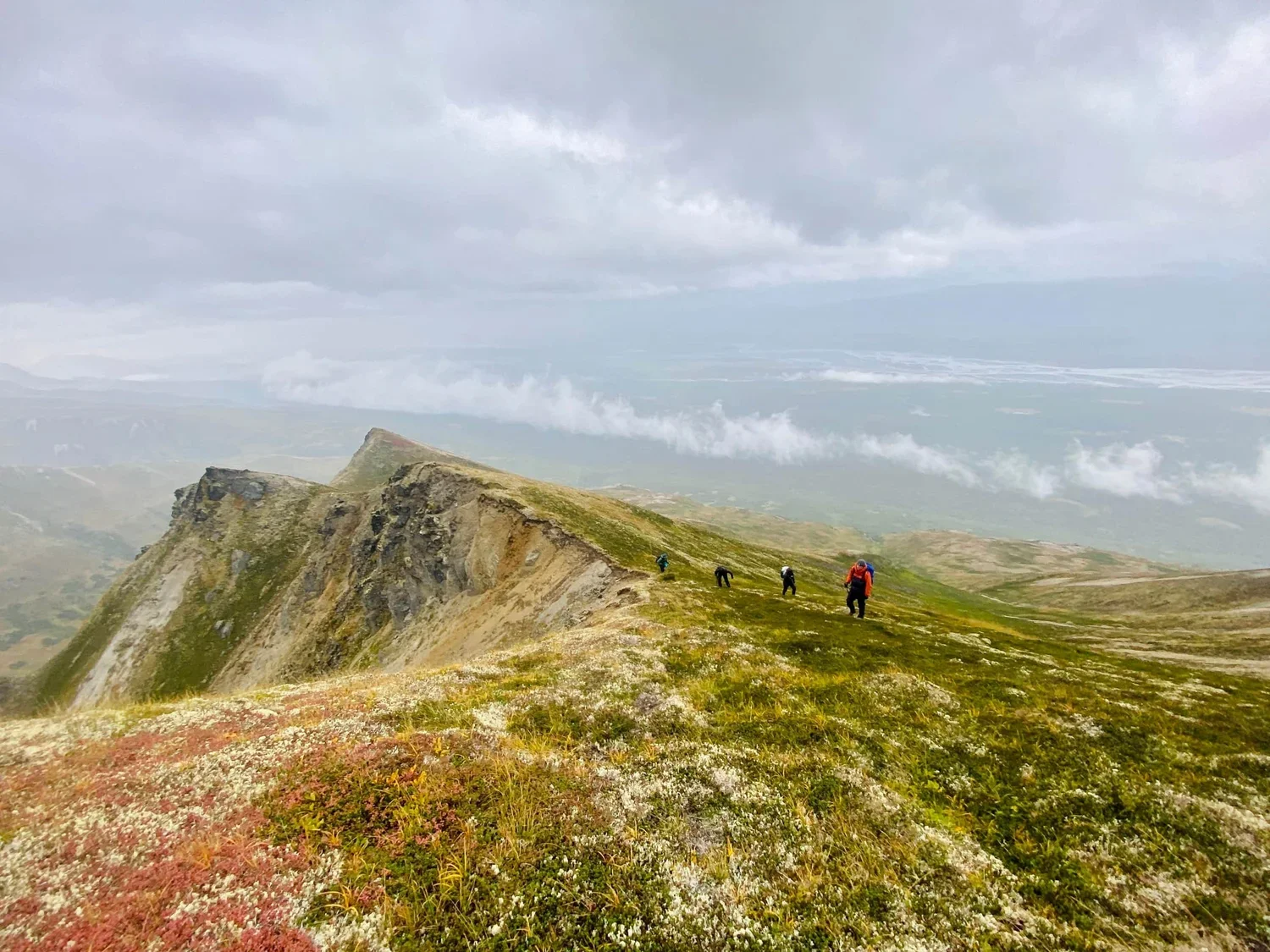
Many hikers are surprised to discover that Alaska’s challenges have less to do with elevation and more to do with terrain. Unlike many popular backpacking routes in the Lower 48, Alaska often lacks established trails. Travel frequently involves crossing tundra, navigating rocky riverbeds, hiking through brush, and moving over uneven ground that constantly challenges your balance and stabilizing muscles.
A five-mile day in Alaska can feel significantly more demanding than a five-mile day on a maintained trail elsewhere. This is why training for an Alaska backpacking trip should focus on endurance, strength, stability, and time spent moving with a backpack rather than simply logging miles.
Weeks 1-4: Build Your Foundation
The first month is about establishing consistency. Focus on building aerobic fitness through activities like hiking, running, cycling, rowing, or brisk walking. The goal isn’t speed. It’s developing the ability to stay active for long periods without excessive fatigue.
Aim for three cardio sessions per week lasting 30 to 60 minutes, two optional strength-training sessions, and one longer weekend hike. During strength sessions, prioritize movements that mimic backpacking demands, including squats, lunges, step-ups, deadlifts, planks, and farmer carries.
If you already hike regularly, begin carrying a light daypack during weekend outings. Start with 10 to 15 pounds and focus on comfort and movement rather than weight. By the end of week four, your long hike should be approaching six to eight miles.
Weeks 5-8: Add Strength and Pack Weight
The second month marks the start of Alaska-specific preparation. Continue aerobic training, but start increasing the difficulty of your weekend hikes. Seek out uneven terrain, hills, and longer outings whenever possible.
Increase pack weight gradually to 20 to 30 pounds, depending on your fitness level. A typical week might include two strength sessions, two moderate cardio sessions, one stair or hill workout, and one long hike carrying a pack.
Stair climbing deserves special attention. Few exercises replicate the demands of climbing and descending rugged terrain better than sustained stair work while carrying weight. During this phase, pay attention to your feet, footwear, and recovery habits. Small issues that seem manageable during training can turn into real problems during a week-long backcountry trip. Use your training hikes to test socks, boots, trekking poles, and layering systems.
Weeks 9-10: Simulate the Real Thing
These weeks should closely resemble the demands of your upcoming trip. Increase your long hikes to eight to twelve miles while carrying a pack that approaches your anticipated trail weight. If possible, schedule back-to-back hiking days on weekends. Alaska trips typically involve multiple consecutive days of travel, and learning how your body responds to repeated effort is valuable. During this phase, focus on hiking while tired, recovery between outings, nutrition and hydration, and pack comfort and fit. Many hikers discover that the biggest challenge isn’t a single long day but recovering well enough to do it again the next morning. Learning how much food, water, and rest your body needs can make a major difference once you’re in the backcountry.
Weeks 11-12: Taper and Arrive Fresh
One of the most common mistakes hikers make is overtraining right before departure. The final two weeks should focus on maintaining fitness while allowing your body to recover. Reduce overall training volume by roughly 30-50 percent while maintaining some intensity in your workouts. Continue with light strength training, short cardio sessions, and moderate hikes, but avoid massive mileage days, exhausting workouts, or activities that increase your risk of injury. Your goal isn’t to become fitter during the final two weeks. Your goal is to arrive healthy, rested, and confident.
Don’t Neglect Core and Balance Training
Alaska’s terrain constantly challenges stability. A strong core improves posture under a loaded backpack, while balance training helps reduce fatigue and prevent falls on uneven ground. Simple exercises like single-leg stands, step-downs, side planks, bird dogs, and split squats can considerably improve trail performance over time. Even five to ten minutes of balance work several times per week can make a noticeable difference.
You don’t need to be the strongest or fastest hiker in the group to enjoy backpacking in Alaska. The goal of training is simple: arrive prepared enough that your energy can be spent appreciating the landscape rather than struggling through it. If you’re looking for your next adventure, check out our guided Alaska backpacking trips.