Everything You Need to Know About Alaska Bush Flights
For many travelers, the bush flight is one of the most memorable parts of an Alaska adventure. Long before you head into the wilderness, you may find yourself climbing into a small aircraft, lifting off from a gravel runway, and flying over vast landscapes where roads simply don’t exist. Mountains, glaciers, braided rivers, tundra, and remote lakes stretch beneath the wings in every direction. For first-time visitors, bush flights can feel unfamiliar, exciting, and often intimidating. The reality is that these flights are a normal part of life throughout Alaska and often provide access to some of the state’s most extraordinary wilderness areas. If you’re planning a fly-in backpacking trip, here’s everything you need to know.
What Is a Bush Flight?
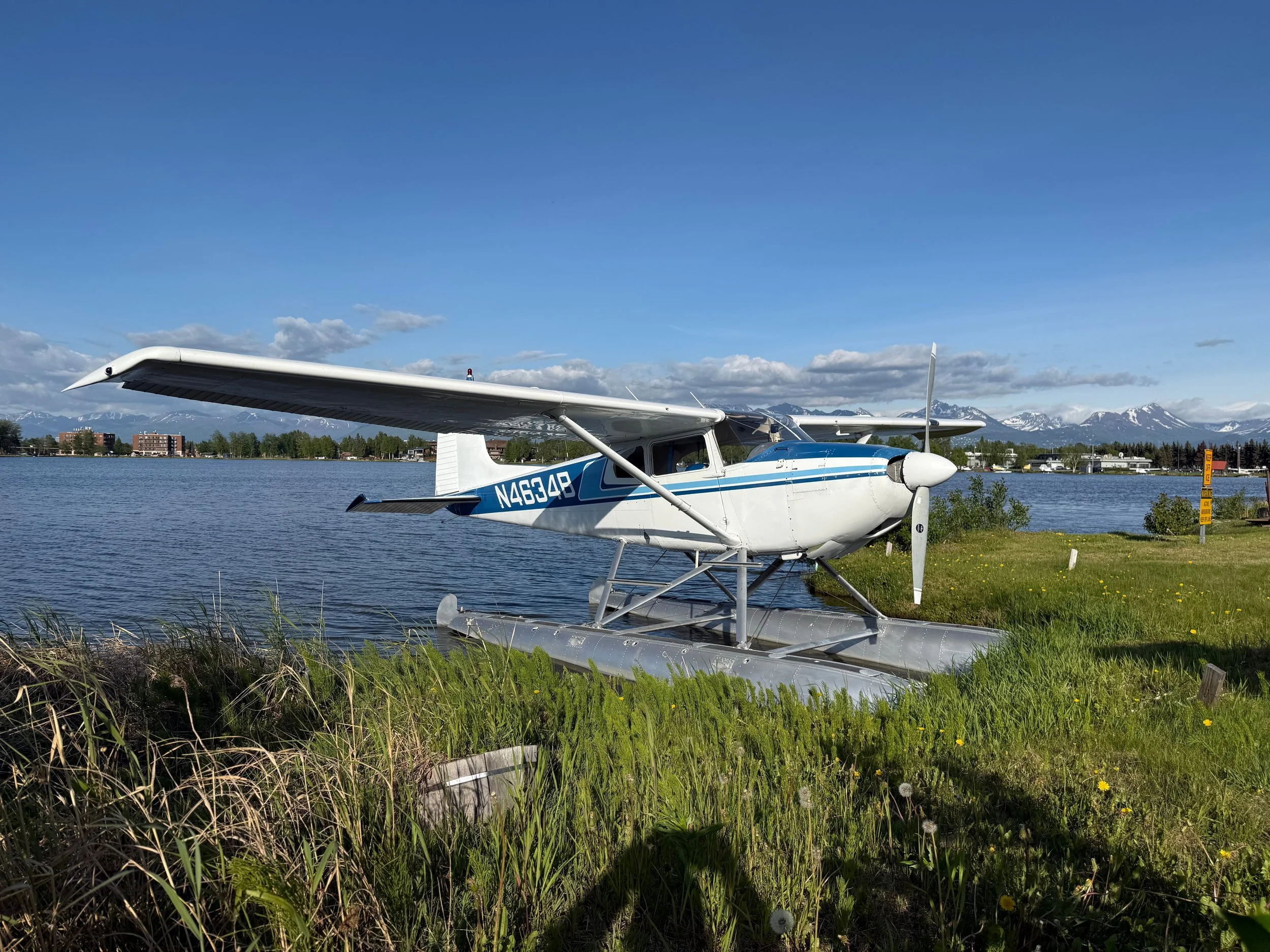
A bush flight is any flight that provides access to remote locations outside the traditional road system. Because so much of Alaska remains inaccessible by vehicle, small aircraft serve as essential transportation for recreation, tourism, research, and local travel. Bush planes may land on gravel airstrips, tundra runways, remote lakes, wilderness lodges, or backcountry landing areas. For backpackers, these flights often serve as the gateway to regions that would otherwise require days or weeks of travel to reach.
Why Alaska Uses Bush Planes
Most visitors are surprised by how few roads exist across Alaska. Large portions of the state remain completely roadless. Some of Alaska’s most famous wilderness areas, including parts of the Brooks Range and numerous remote valleys throughout the state, can only be accessed by aircraft. Rather than being a luxury, bush flights are often the most practical and efficient transportation option available. In many cases, the flight itself becomes one of the trip's highlights.
What Types of Aircraft Are Used?
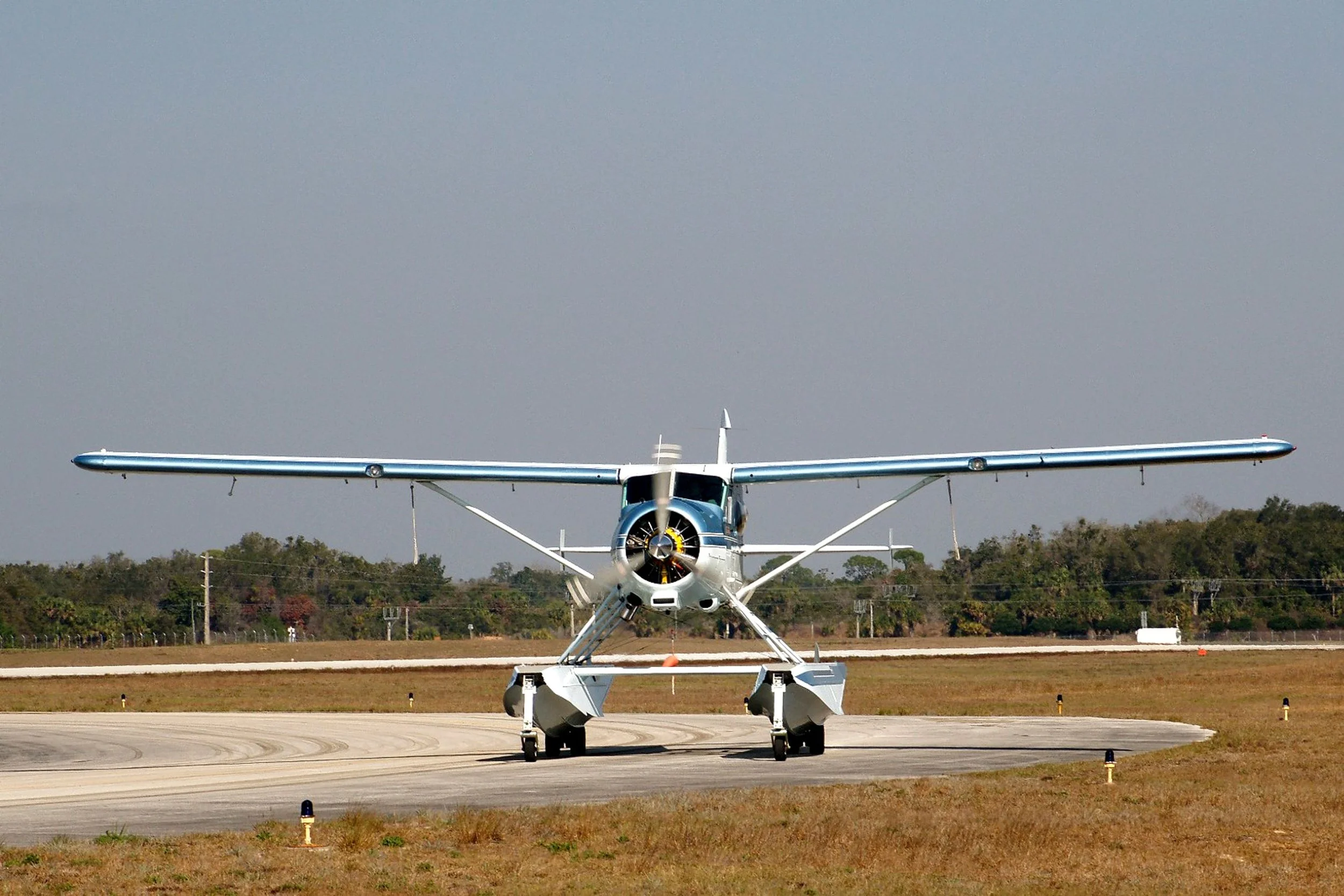
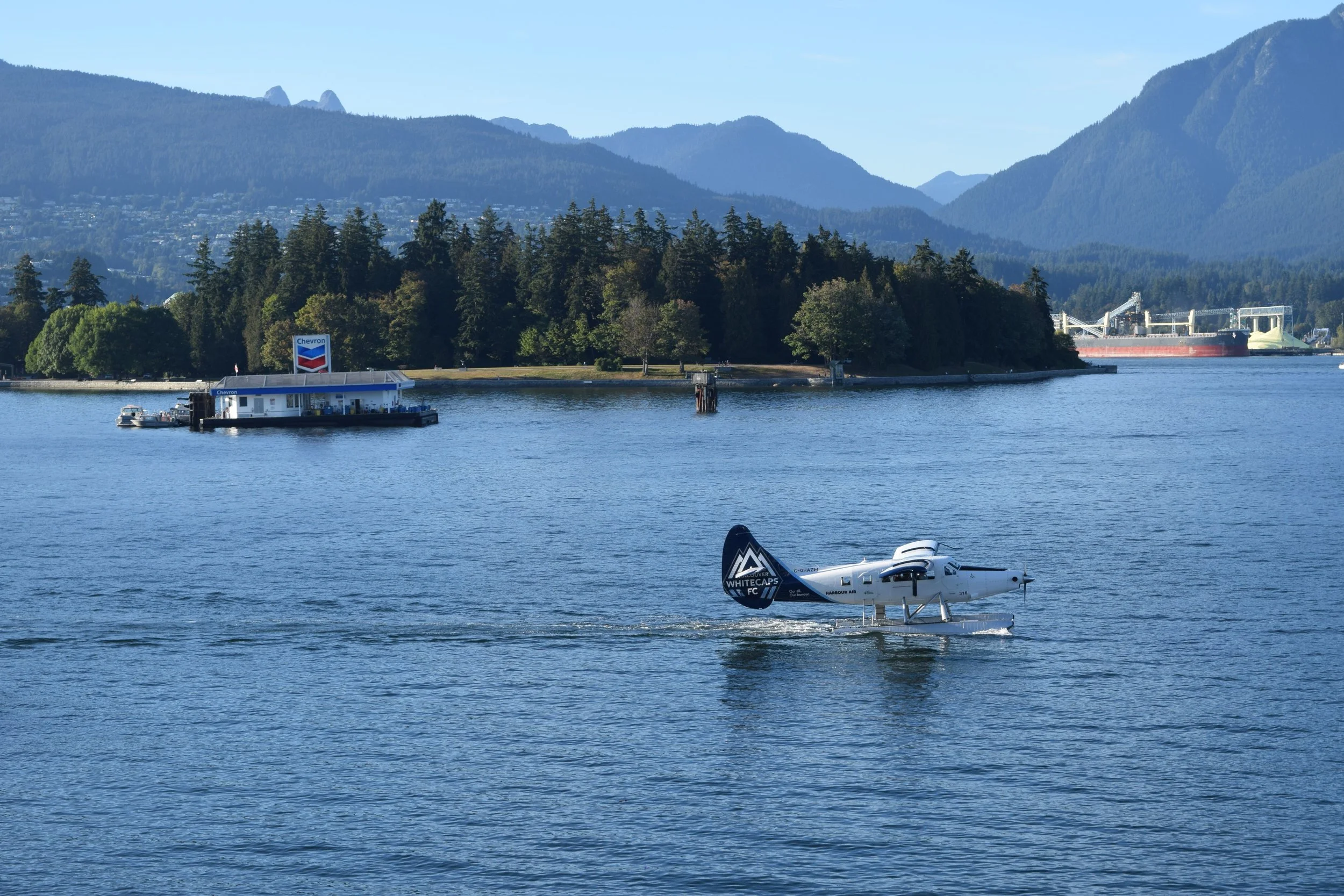
The exact aircraft varies depending on the destination, runway conditions, and group size. Common Alaska bush planes include the De Havilland Beaver, Cessna 185, Cessna 206, Piper Super Cub, and De Havilland Otter. These aircraft are specifically designed to operate in rugged environments and have decades of proven performance in Alaska conditions. While they may feel small compared to commercial airliners, they are exceptionally capable and well-suited for wilderness operations.
What Is the Flight Like?
You’ll often fly at lower altitudes than commercial airlines, providing incredible views throughout the journey. Depending on the route, that might mean mountain ranges, glaciers, wildlife habitat, river systems, remote lakes, and vast expanses of untouched wilderness stretching to the horizon. Window seats become highly coveted for good reason. The scenery often begins the moment the aircraft leaves the runway.
Why Weight Limits Matter
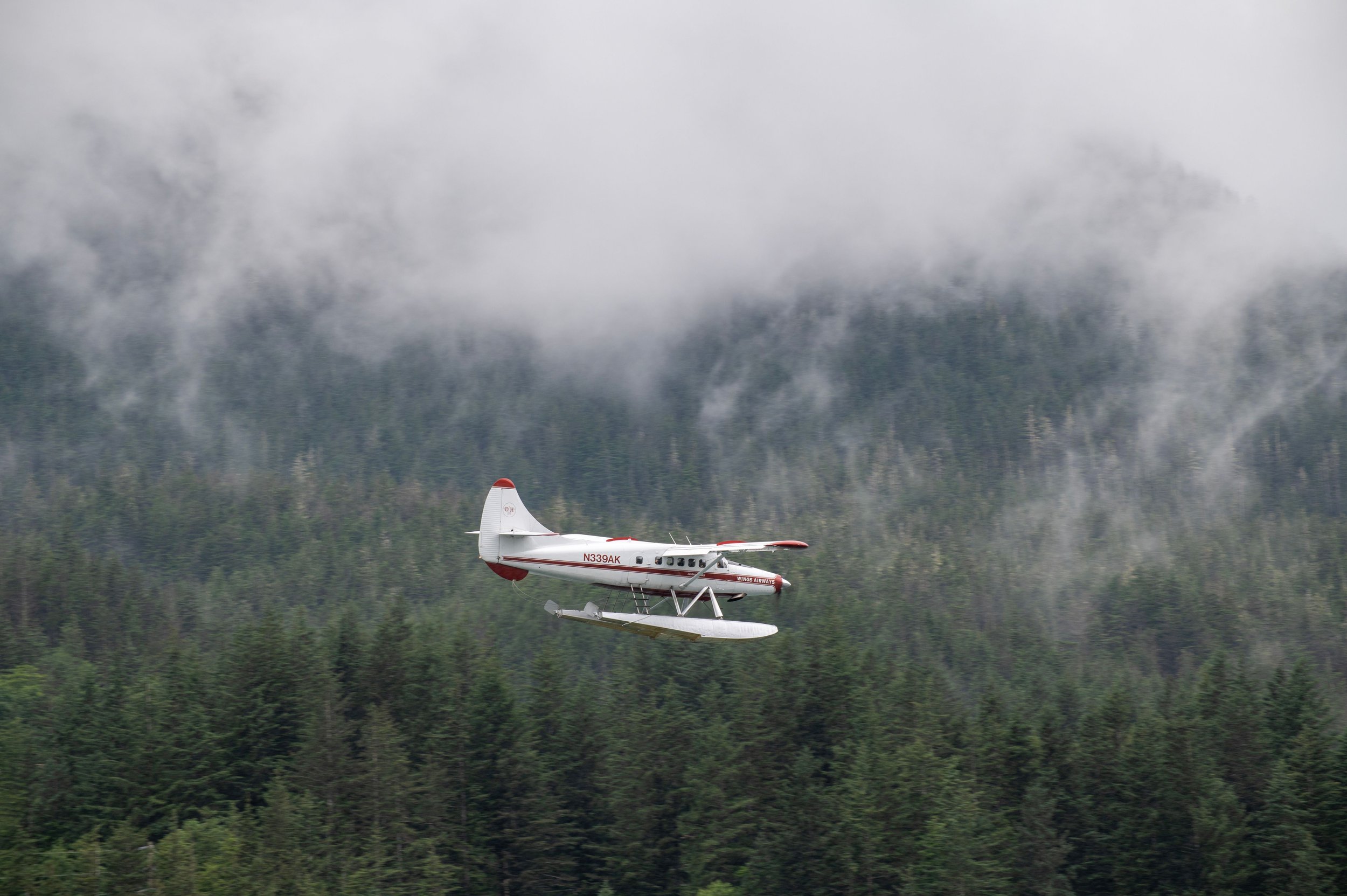
One of the most important aspects of bush flying is weight management. Unlike large commercial aircraft, small planes have strict payload limitations. Pilots carefully calculate passenger weights, gear weights, fuel loads, and environmental conditions before every flight.
For this reason, you’ll often be asked to provide your body weight, backpack weight, and any additional gear weight. This information isn’t optional and isn’t about convenience. It’s a critical safety requirement. Providing accurate information helps pilots make proper flight decisions and ensures safe operations.
Weather Delays Are Normal
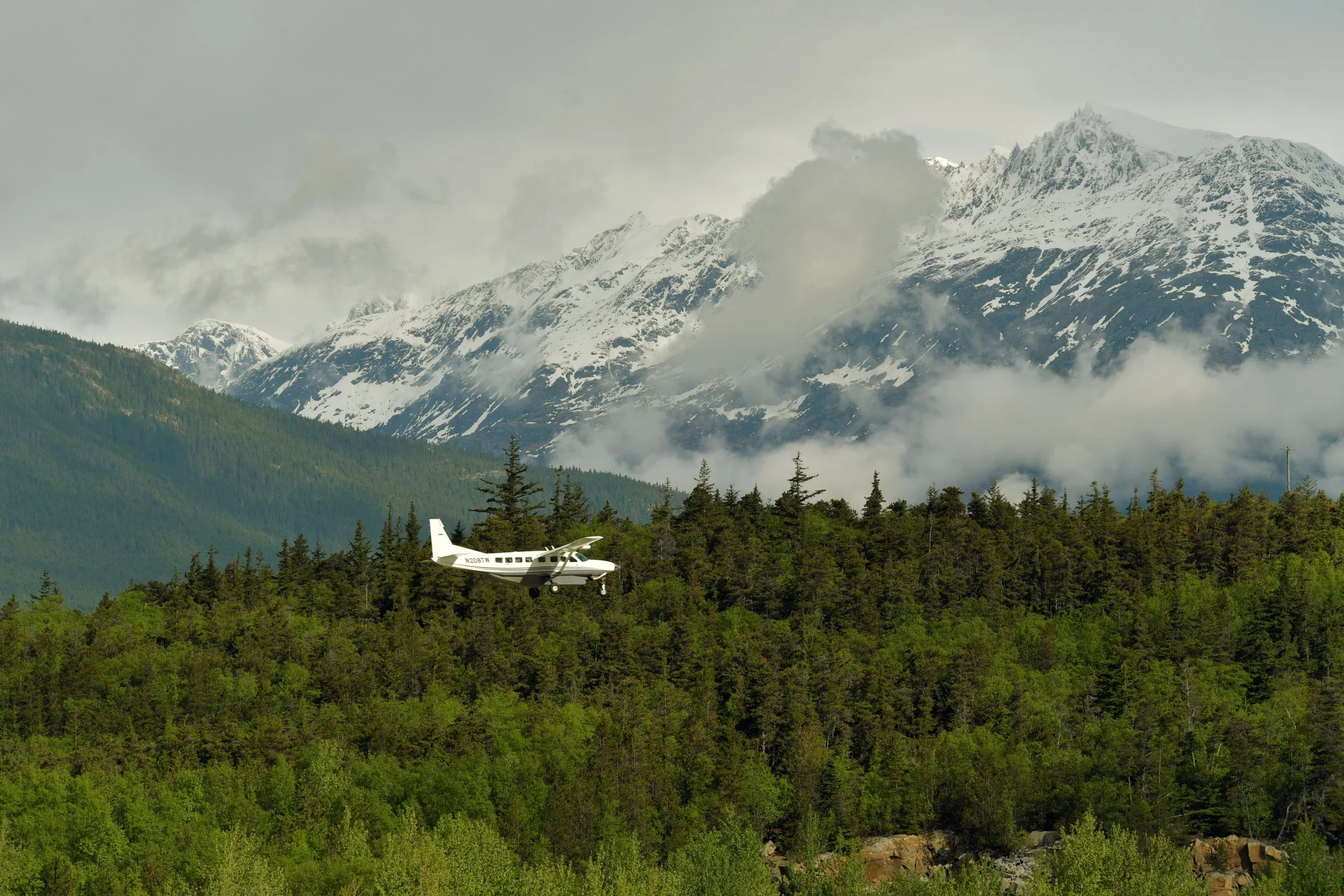
One of the biggest adjustments for visitors is understanding that the weather dictates the schedule. Alaska’s weather can change quickly, particularly in mountainous regions. Low clouds, fog, wind, smoke, and poor visibility may delay flights for hours or occasionally longer. Experienced Alaska travelers build flexibility into their schedules and view weather delays as a normal part of wilderness travel rather than a problem. Pilots make conservative decisions for good reason. A delayed flight is far preferable to an unsafe one.
What Should You Pack?
Soft-sided duffels and backpacks are generally preferred over hard suitcases. They fit more easily into small aircraft and make loading significantly easier. Before departure, it’s worth organizing your gear with waterproof packing systems, dry bags, compression sacks, and other storage solutions that keep equipment protected and easy to access. Everything you bring must fit within the established weight limits, so efficient packing is essential.
Are Bush Flights Safe?
Alaska’s aviation culture is deeply rooted in safety, professionalism, and experience. Pilots operating wilderness flights often possess extensive local knowledge and thousands of hours flying in remote environments. While bush flying can feel adventurous, it is also a routine and essential part of transportation across the state. Listening carefully to pilot instructions, following baggage requirements, and remaining flexible in the face of weather-related changes help ensure a smooth experience.
For many travelers, the bush flight becomes one of the most memorable moments of the entire journey. There is something special about watching roads disappear beneath you, crossing into truly remote country, and landing in a place where wilderness extends for hundreds of miles. The flight marks the transition from everyday life to adventure. By the time the engine shuts down and the plane disappears into the distance, you’ll understand why bush flying remains such an iconic part of exploring Alaska. To start your own Alaskan adventure, click here.